
I've been photographing wildlife in Kruger for a long time now. Long enough to have made every mistake in the book — some of them repeatedly — before figuring out what actually matters. The list below isn't theoretical. These are habits that cost me time, money, motivation, and in a few cases nearly made me put the camera down for good.
If even one of these saves you from a detour I took, the article has done its job.
1. Not printing
This one surprised me. For years, all of my wildlife photography lived on a hard drive — not well organised, not easily accessible, and as a result, not really enjoyed. Thousands of photos from years of trips, effectively invisible.
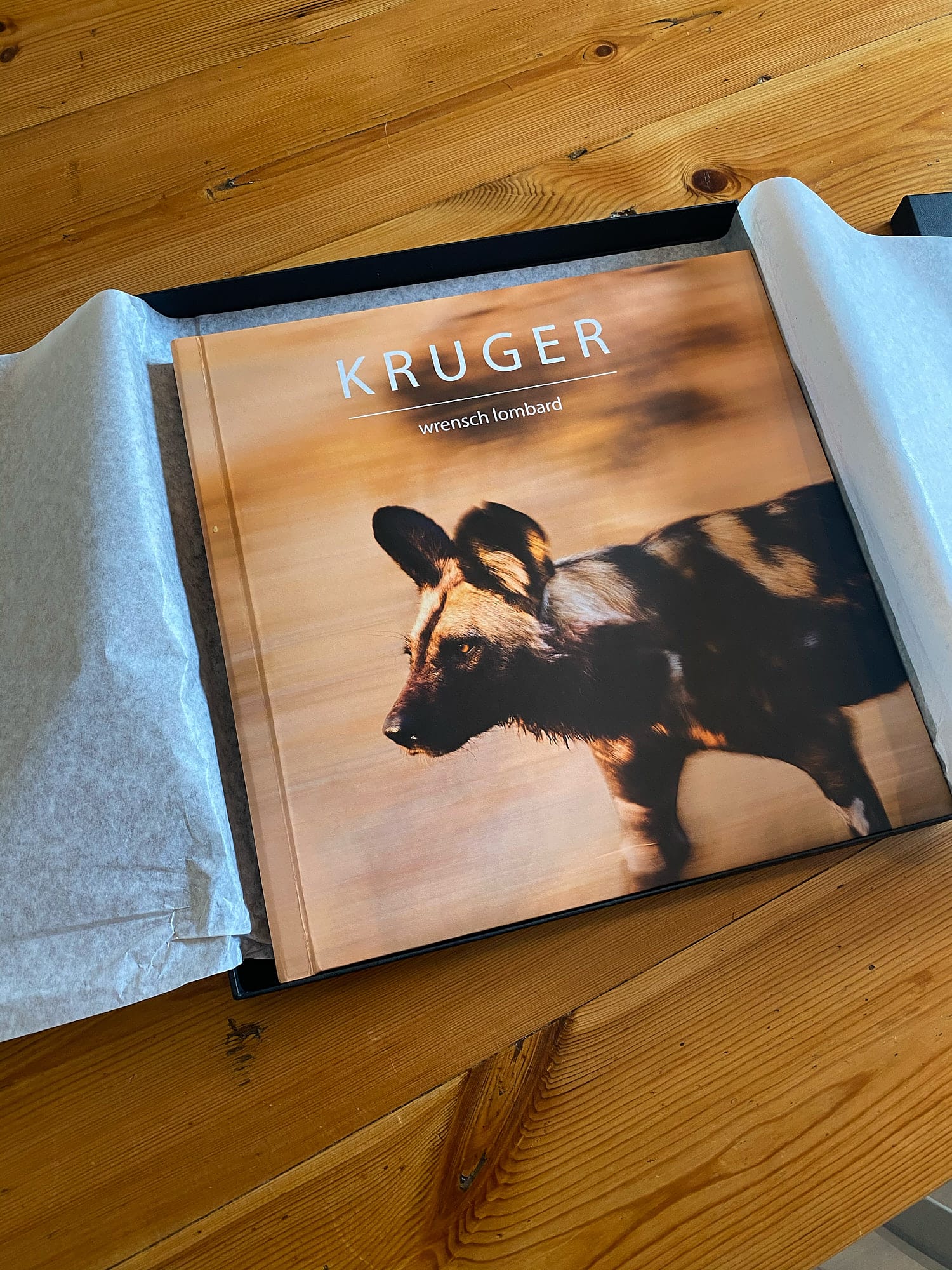
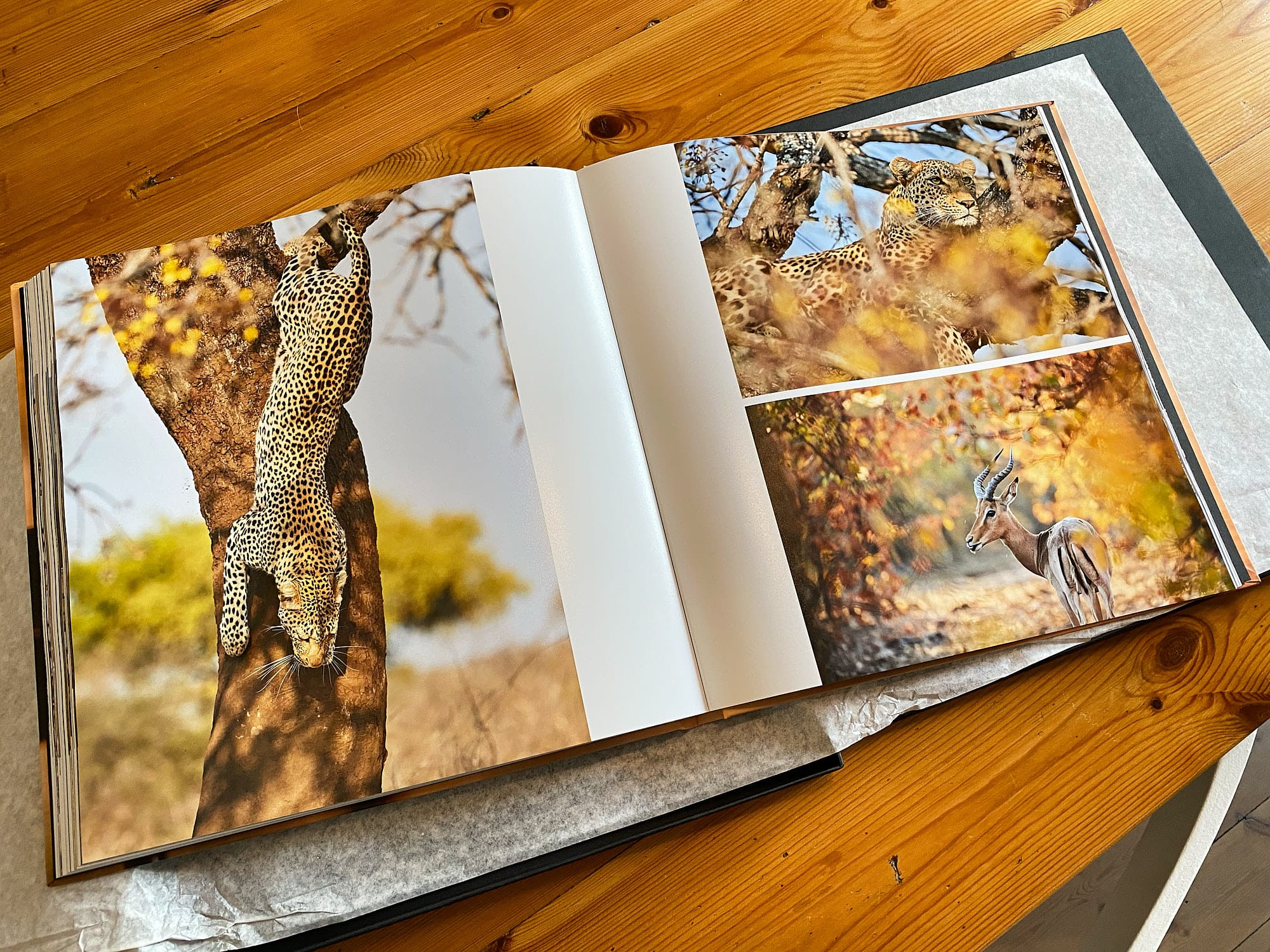
That changed during the pandemic. With no weddings to shoot, I went through years of backlog and turned my best wildlife work into a printed book. I had about twenty copies made and gave them to family and friends. The enjoyment we all got from holding, paging through and sharing that book was incomparably more than any Instagram post or digital album could ever deliver.
There's something about a physical print — especially at larger sizes — that gives a photo real presence. It demands to be looked at differently. I only display one large print of my own work in my house and it might not be for everyone, but to me it's spectacular. It doesn't just take me back to the moment. It brings back the entire morning and the trip leading up to it.
If you're not printing, you're leaving the best part of photography on the table.
2. Letting social media steal my time
Here's what happened to me. Around 2013 I felt like I could fit anything into a day. I worked full time, shot weddings on weekends, ran with friends in the evenings and chased sunsets whenever the clouds looked promising. Then social media crept in. By 2018, like most people, I was spending almost two hours a day staring at my phone. Most of it scrolling — aimlessly, unproductively, and to my own detriment.
In the background of all this scrolling, everything else got less enjoyable and squeezed into the time remaining. Photography included. Instead of Instagram motivating me to go out and shoot, robbed me of the free time I used to have.
Once I realised this, I went cold turkey on all platforms except YouTube. At first it sucked, but slowly, the time came back. More time for photography, for walking in the mountains and for working on passion projects like the KrugerGuide app.
Simply put: if you feel like you don't have time for the hobbies you used to enjoy, take a hard look at your screen time. The answer might be hiding there.
3. Overshooting
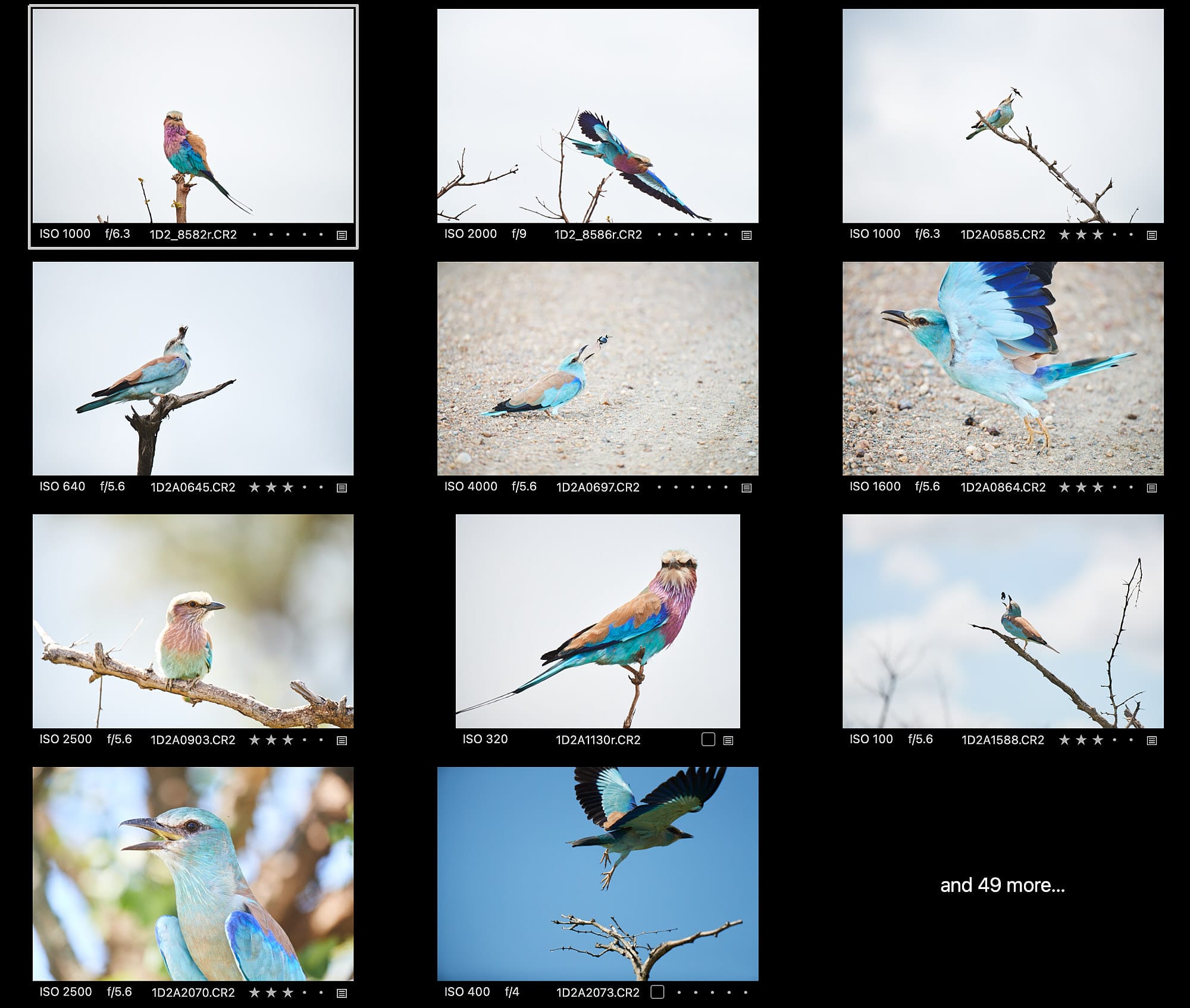
Digital photography makes it incredibly cheap and easy to fire off hundreds of frames. Which is exactly what I did — ending up with thousands of images from a single trip where a few dozen would have told the story.
After the pandemic forced me to finally work through a backlog of over 50,000 images from years of Kruger trips — trying to pick 1,000-2,000 keepers — I implemented a simple four-part system:
Don't set your camera to the highest burst speed unless the subject truly demands it. Get better at recognising and composing actual good scenes before pressing the shutter. Once you have a good scene, check it, then shoot what you need, then just enjoy it. And if in doubt, still take the shot — there are no redos in wildlife photography.
The key shift was that I stopped overshooting the wrong things. Now when I come home, my cards are filled with intentional frames of good scenes, not 500 shots of the same Roller.
4. Gear Acquisition Syndrome (GAS)
GAS is real, and the photography internet is designed to feed it. Every review, comparison video and "what's in my bag" post is engineered to make you feel like your current kit isn't quite enough.
The returns on gear diminish fast. The jump from entry-level to mid-range is significant, but the jump from mid-range to flagship is marginal. The jump from flagship to the next flagship is almost invisible — and costs an arm and a leg.
Before you buy anything, ask yourself honestly: have I maxed out what my current gear can do? If you're not printing large, not shooting professionally, and not limited by a specific technical shortcoming you can name precisely, the answer is almost certainly no.
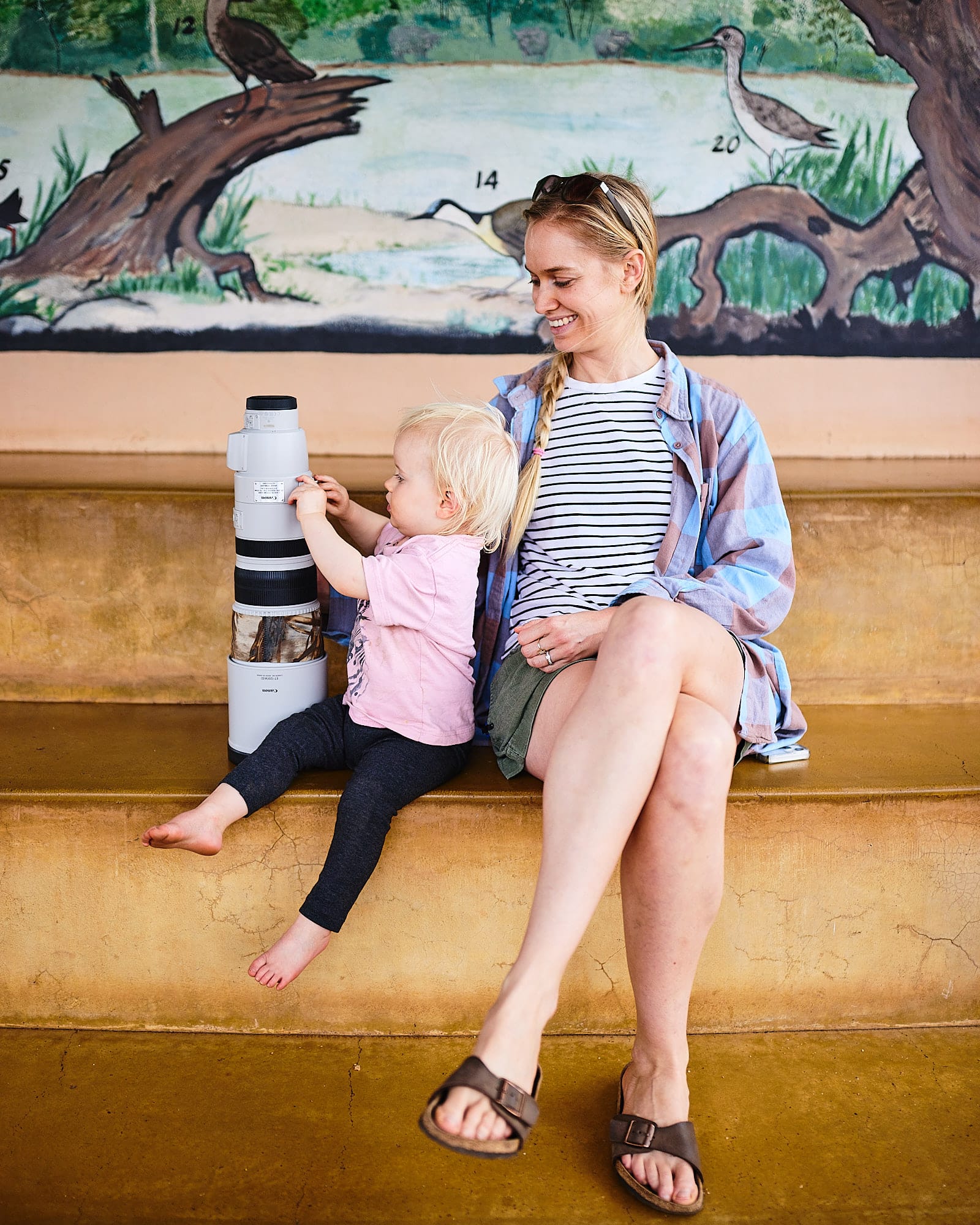
I have been shooting the same lens for almost 11 years now, it has been a faithful companion and still is - my wife refers to it as my "girlfriend" :) I will write a full article on why chose it and why I'm sticking to it.
5. The sharpness trap
Pixel-peeping at 100% zoom on a computer monitor is one of the most destructive habits in photography. It trains your eye to evaluate images at a magnification that no viewer will ever see, and it makes you reject perfectly good photos because they're not razor-sharp at the pixel level.
Here's the reality: critical sharpness — the sharpness that matters when a photo is viewed at its intended size and distance — is very different from 1:1 sharpness on a monitor. A photo that looks slightly soft at 100% can look stunning as an A3 print viewed from a normal distance. Billboards are printed from files that would horrify a pixel-peeper, and nobody driving past has ever complained.
Fix your technique before you blame your gear. Stable shooting position, correct shutter speed for the focal length, proper focus technique — these solve 90% of sharpness complaints. The other 10% is just the nature of wildlife photography. Not every shot will be pin-sharp, and the sooner you make peace with that, the sooner you'll start enjoying your work again.
6. Not birding
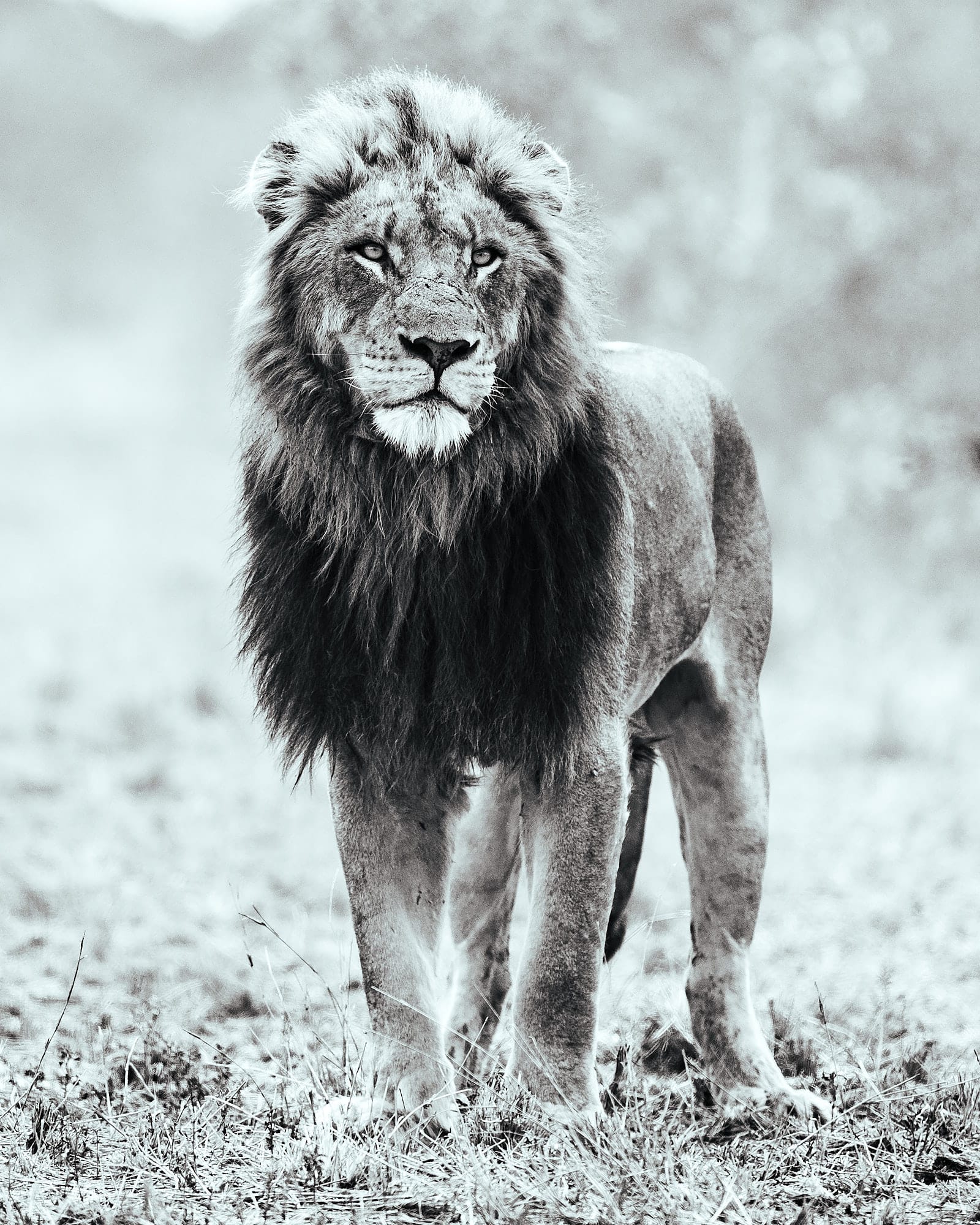
This one took me embarrassingly long to figure out. For years I drove past hundreds of birds every trip, laser-focused on mammals. Lions, leopards, rhino — the headline acts. Birds were just background noise.
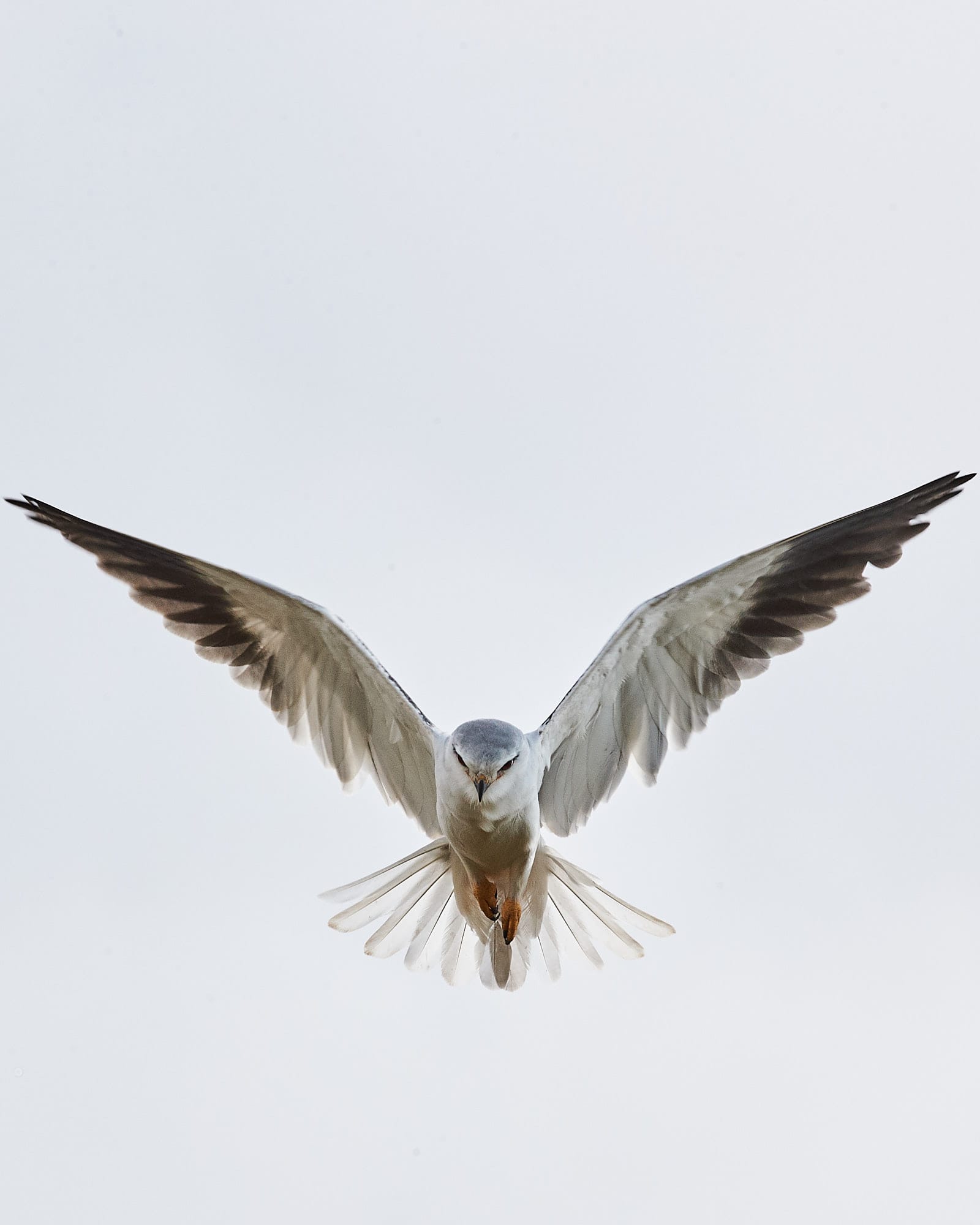
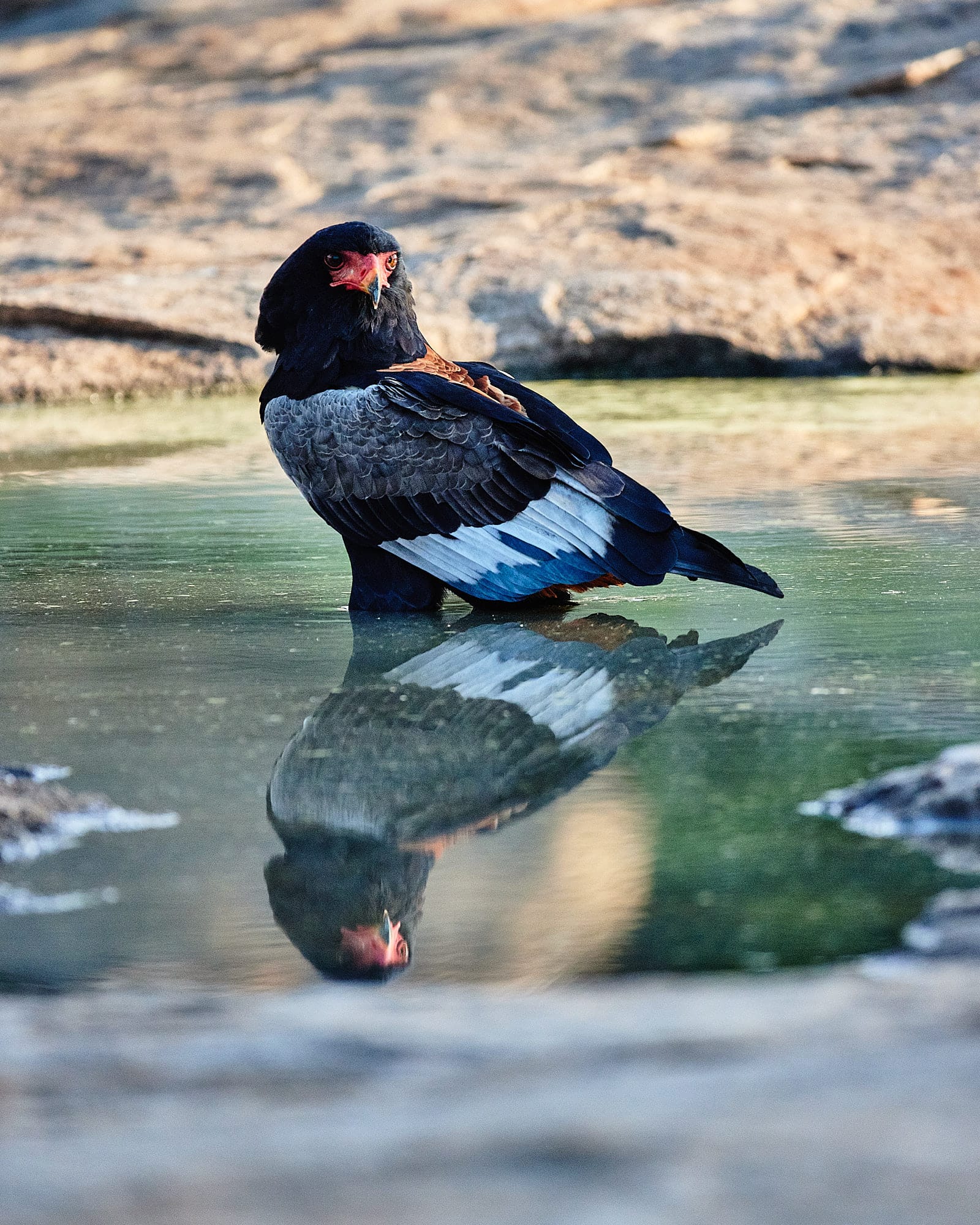
What a waste. Kruger has over 500 bird species, many of them spectacular, and they're everywhere. More importantly, birding sharpens every skill that matters for wildlife photography: patience, quick reactions, composition under pressure, and working with fast, unpredictable subjects.
The day I started paying attention to birds, my overall photography improved noticeably. And the park suddenly got a lot bigger — because now every tree, every waterhole, every patch of sky held something worth looking at.
7. Chimping
Chimping — compulsively checking your camera's LCD screen after every shot — feels productive. It feels like quality control. In reality, it's the fastest way to miss the next moment.
Wildlife doesn't wait for you to review your histogram. While you're squinting at a three-inch screen confirming that yes, you did capture the hornbill sitting on a branch, something extraordinary could be unfolding right in front of you. I've missed sightings this way. Actual, real, gone-forever moments that happened while I was staring at a screen instead of being ready to shoot.
My advice: take a few test shots at the start of a sighting to check your settings. Then put your eye to the viewfinder and stay there. Review your photos later, back at camp, with a cold drink and fire burning.
These seven mistakes cost me much frustration over the years, but every one of them taught me something valuable — some of which I hope I have passed on to you.

