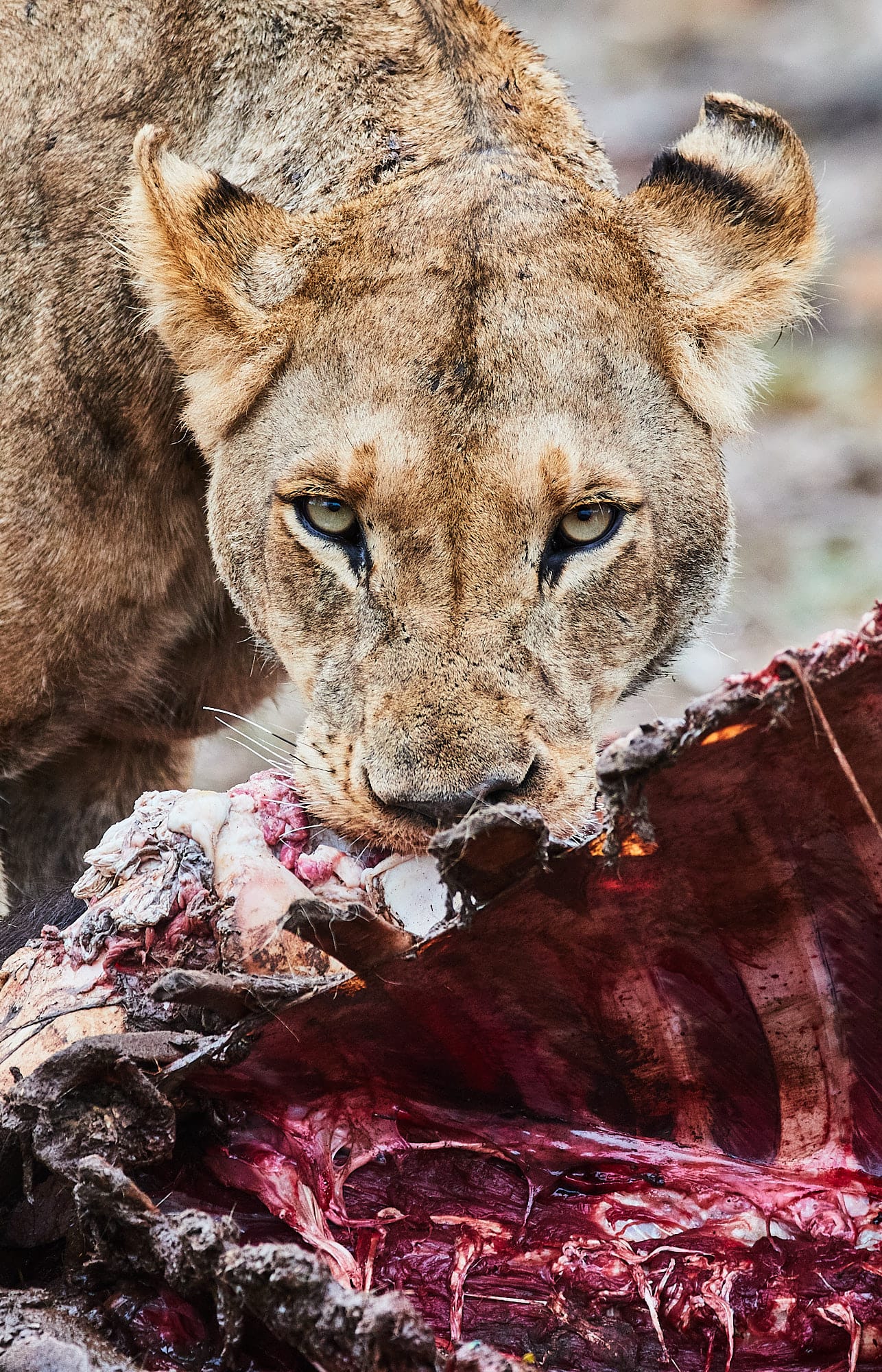
I've had this conversation more times than I can count. Someone asks where I do most of my wildlife photography. I say Kruger National Park. And the response — from photographers especially — is almost always some version of: "Oh, I've heard it's too big," or "You can't get off the roads though," or "Isn't it full of tourists?"
These objections are exactly why Kruger is underrated. The people raising them have either never been, or went once with the wrong expectations and gave up before the park had a chance to show them what it can do. Every perceived limitation of Kruger is, once you understand it, either a non-issue or an outright advantage.
Let me make the case.
The most affordable Big 5 safari on Earth
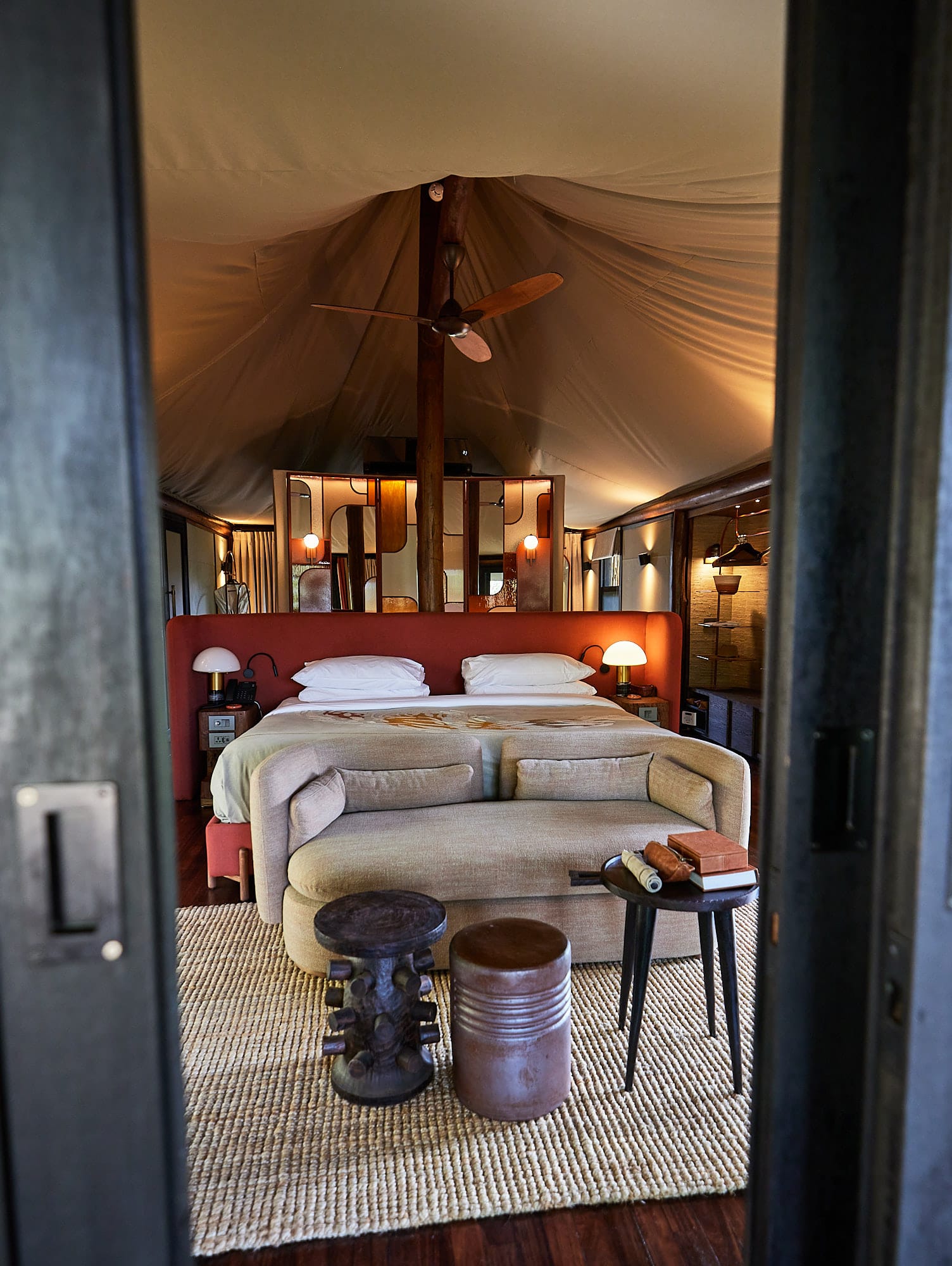
This isn't marketing. It's maths. A night in a Kruger rest camp hut or camp site costs less than a decent restaurant meal in most western cities. Conservation fees are modest. Fuel is your biggest variable expense, and the distances between camps are short enough that you won't burn through a tank a day.
Compare this to the private reserves bordering Kruger, where a single night can run you what multiple weeks inside the National park costs. Or to East African parks where daily fees, mandatory guides, and remote logistics push prices into a different bracket entirely.
The result is that you can afford to stay longer in Kruger. And as we've covered in earlier articles, time in the bush is the single biggest factor in wildlife photography success. Two weeks in Kruger on a modest budget will produce a better balanced photography portfolio and a better rested you than three days at an exclusive lodge — 90% of the time 😸
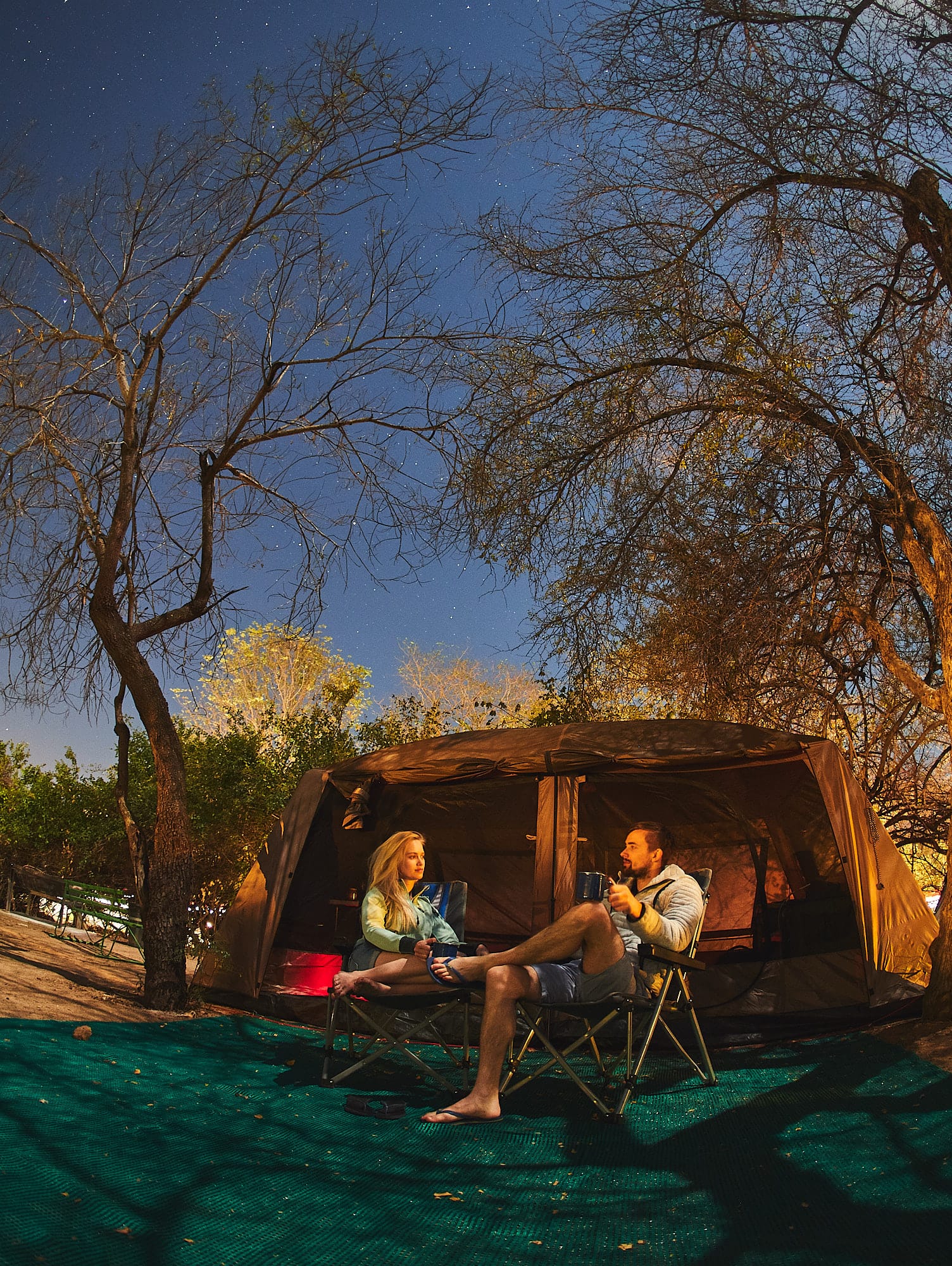
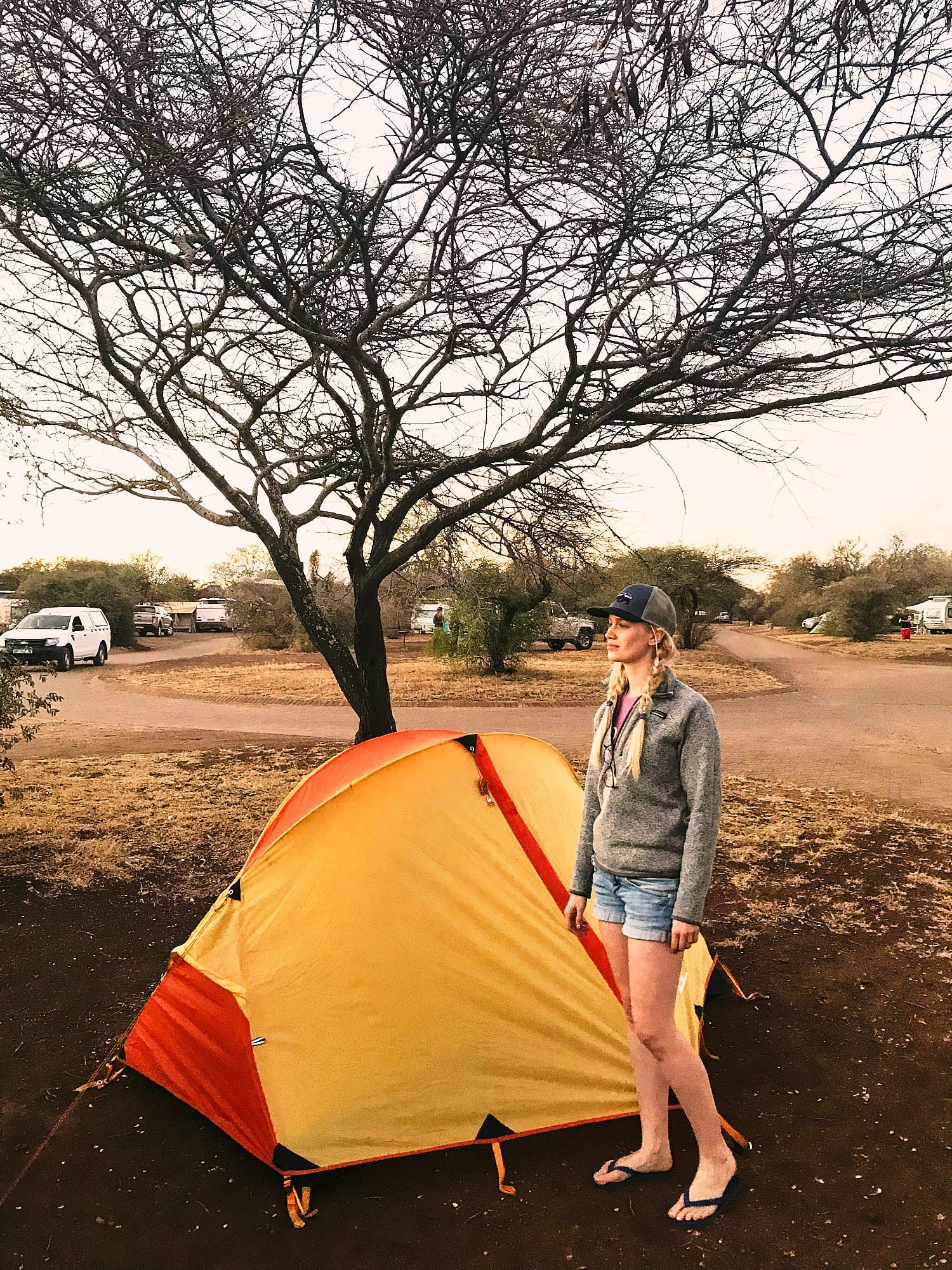
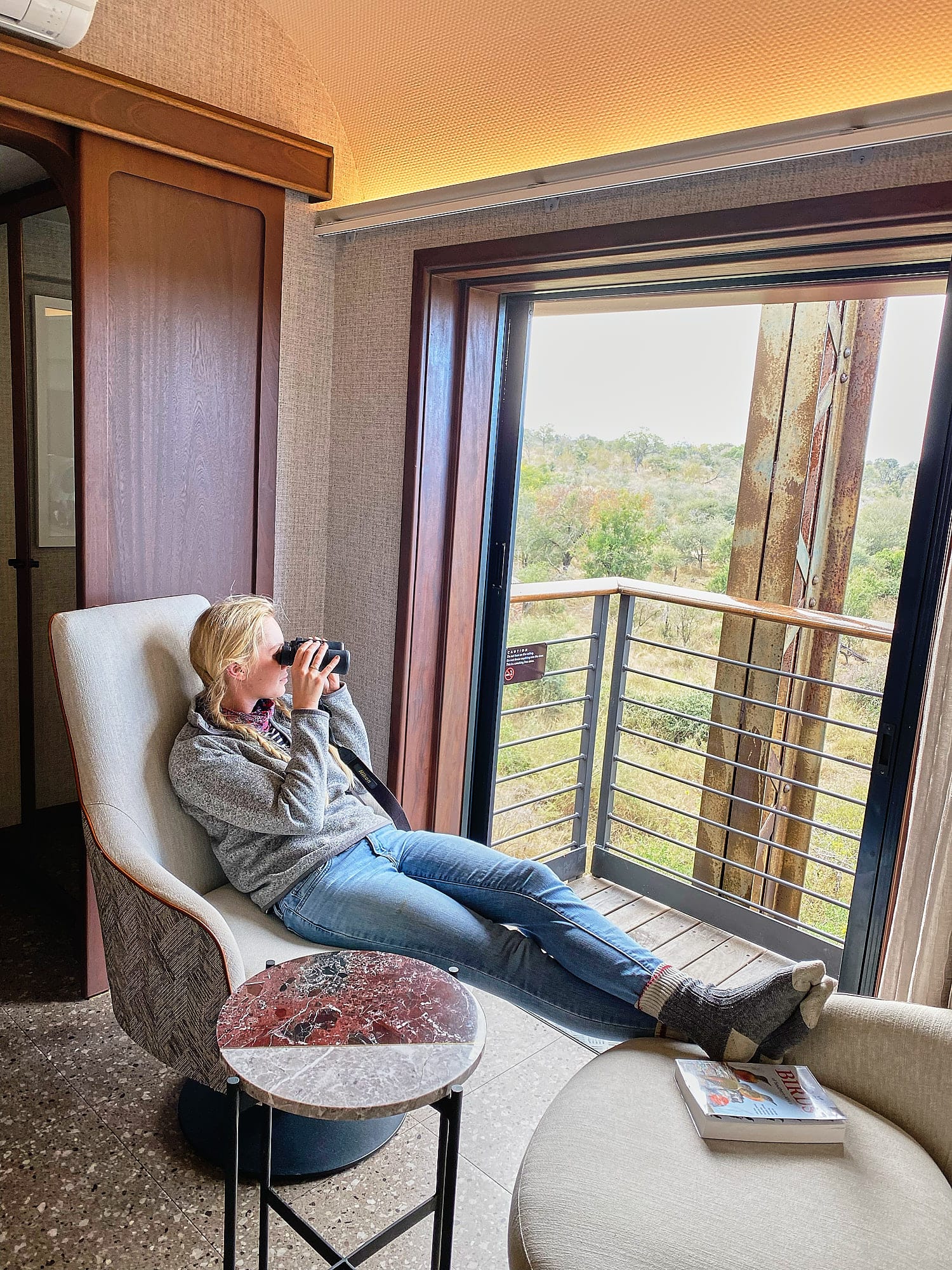
Levels of Kruger... all amazing in their own way
The best infrastructure of any major wildlife park
Kruger's road network is extraordinary. Thousands of kilometres of tar and gravel roads that pass through every habitat the park offers — from the dense riverine bush of the south to the vast mopane plains of the north. Rest camps with fuel, shops, restaurants, and accommodation are spread across the park at sensible intervals. You're never far from what you need.
This infrastructure means you can self-drive safely and comfortably without a guide, without a satellite phone, and without the logistical headaches that define many other African parks. It means you can plan your own routes based on what you want to photograph, change plans on the fly, and spend as much or as little time at a sighting as you choose.
For photographers, this independence is everything. You're not on someone else's schedule. You're not sharing a vehicle with six other guests who've had enough after ten minutes. You decide where to go, when to leave, and how long to stay. That freedom is what turns a good trip into a great one.
The beauty in constraints
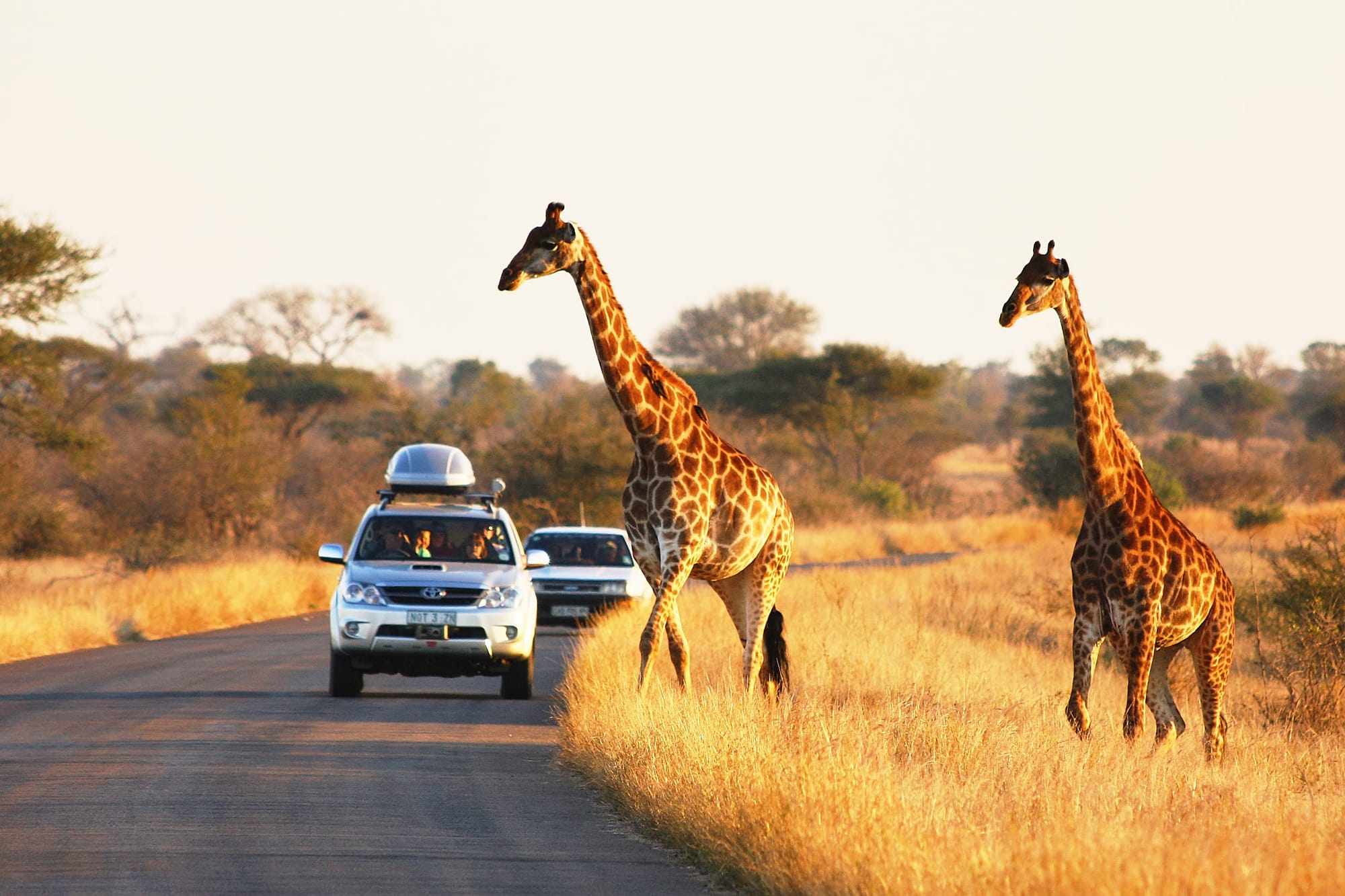
Here's where Kruger loses a lot of photographers — and where I think it actually gains its greatest strength. You cannot leave your vehicle except at designated areas. You cannot drive off-road. You cannot easily reposition yourself around a subject. You're stuck on the road, shooting from your car window.
For photographers used to private reserves where you can drive off-road and approach animals from any angle, this feels restrictive. And it is. But that restriction does something remarkable to your photography over time.
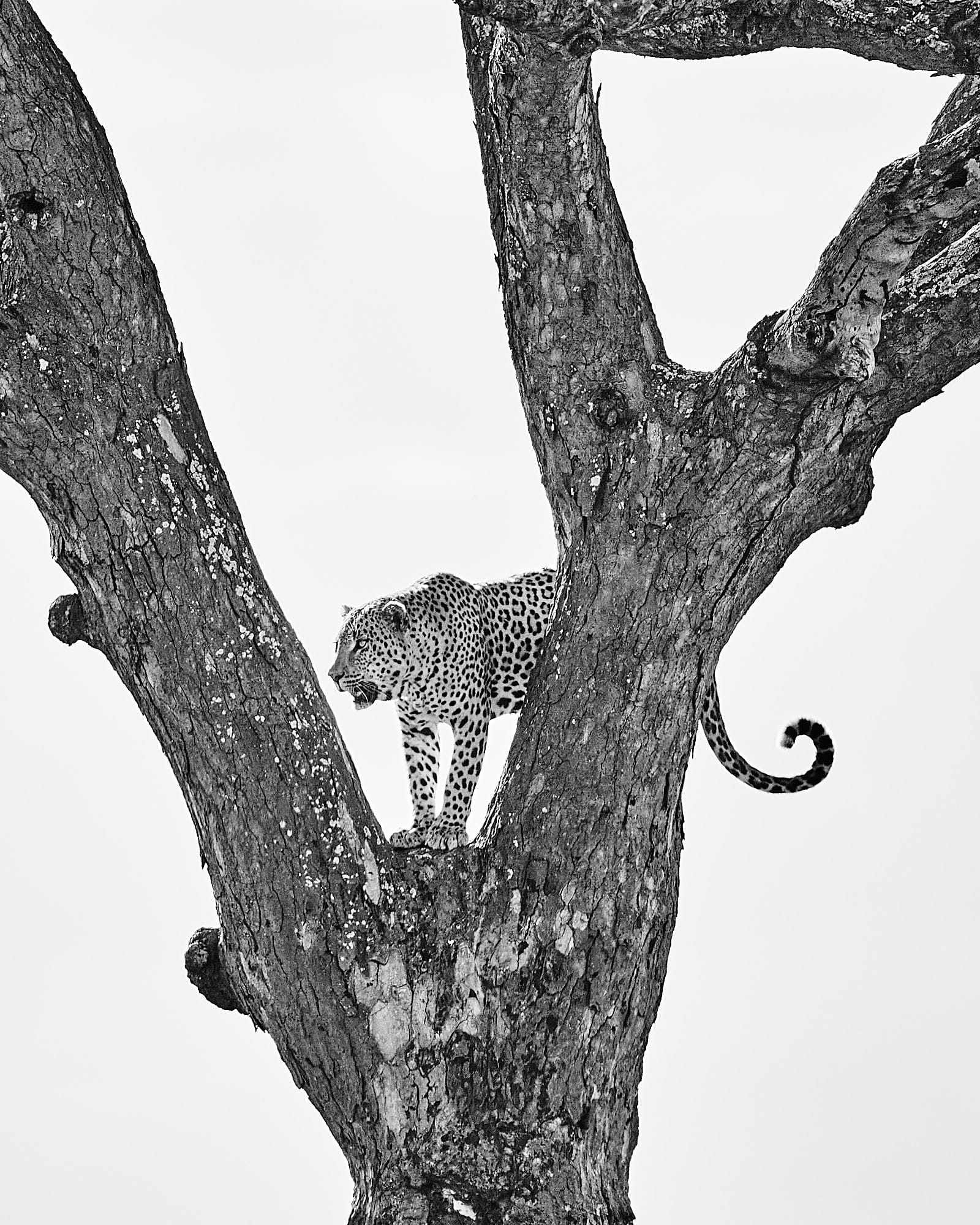
It teaches patience. When the leopard's head is behind a branch, you can't move five metres to the left. You wait. You watch. You learn to accept that not every sighting will produce a perfect frame — and that's completely fine. The leopard might turn. It might not. Either way, you've spent time with a leopard in the wild, and that's never a bad day.
It teaches composition under pressure. When you can't reposition, you have to work harder with what you've got. You start seeing angles and framings that you'd never discover if you could just drive to the "perfect" spot. You learn to use the vegetation creatively instead of cursing it. You start to appreciate that imperfect frames with character often have more soul than technically flawless ones.
And it teaches humility. The bush doesn't owe you a photo. Kruger, more than any private reserve, will remind you of that regularly. And those reminders make the victories — the mornings where everything aligns — feel genuinely earned.
Self-drive is the pinnacle (for me at least)
Guided game drives have their place. For first-time visitors, for people short on time, for those who want someone else to handle the logistics — a guided drive is a perfectly good way to experience a game reserve.
But for photography, self-driving is in a different league.
When you drive yourself, you develop a relationship with the park that no guide can give you. You learn to read the roads, the vegetation, the behaviour of other cars. You learn where the morning light falls first, which waterholes produce the goods in the afternoon, which stretches of road are worth driving slowly and which are better covered quickly.
You also develop as a photographer in ways that a guided experience simply can't replicate. Making your own decisions about where to go, when to stop, and how long to stay is a form of creative practice. It forces you to engage with the park at a level that passengers never reach.
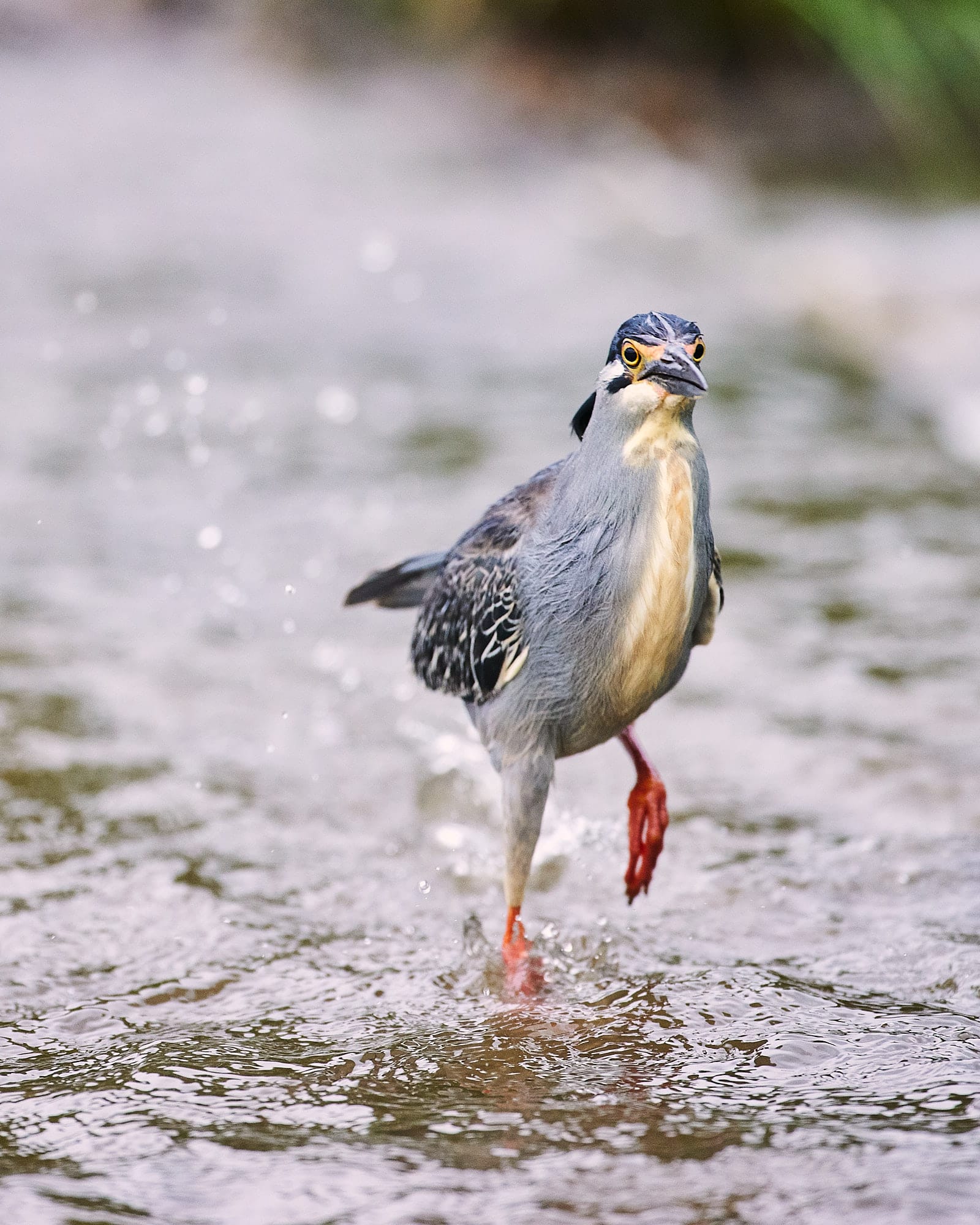
Quiet days happen. Enjoy them. Use them
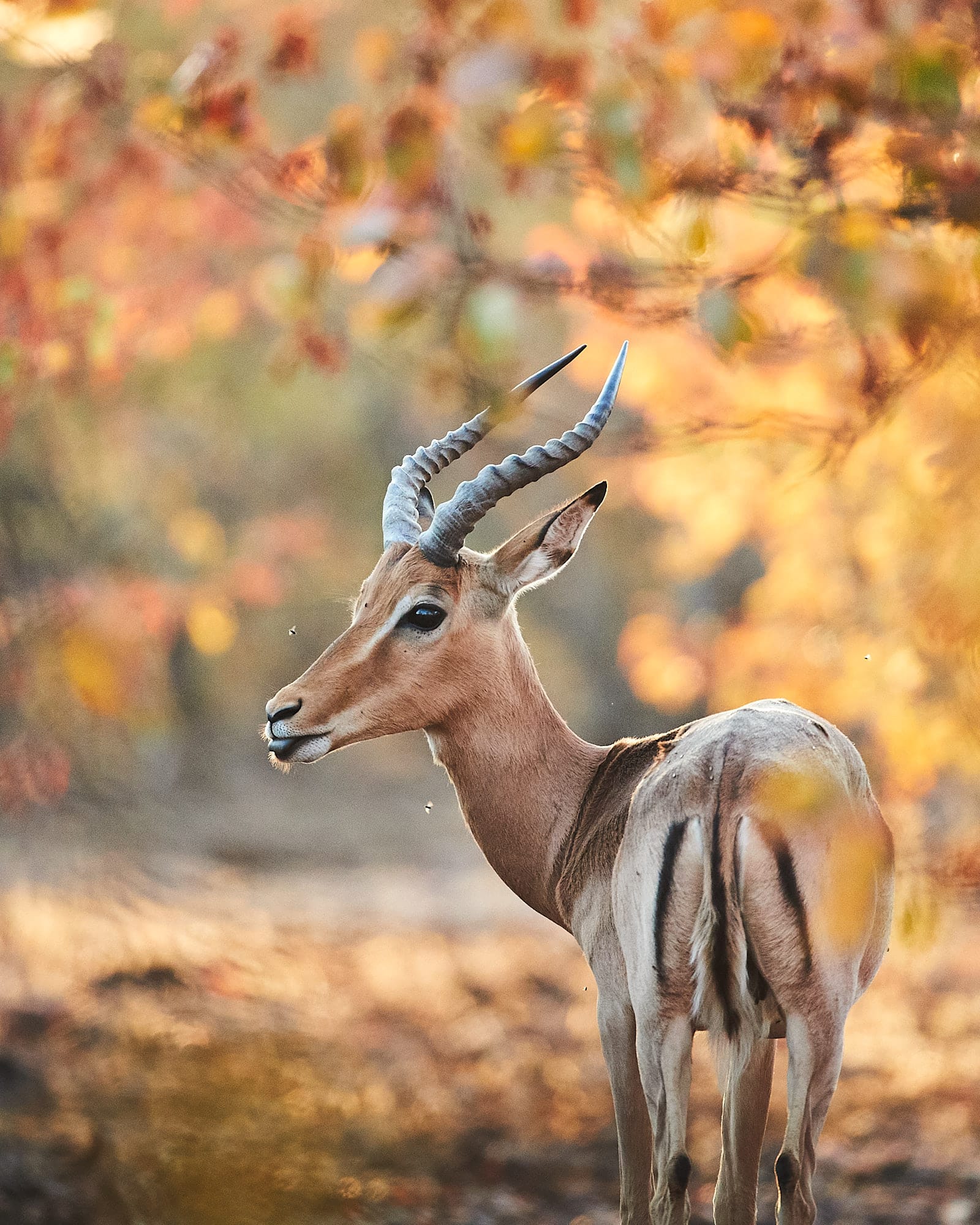
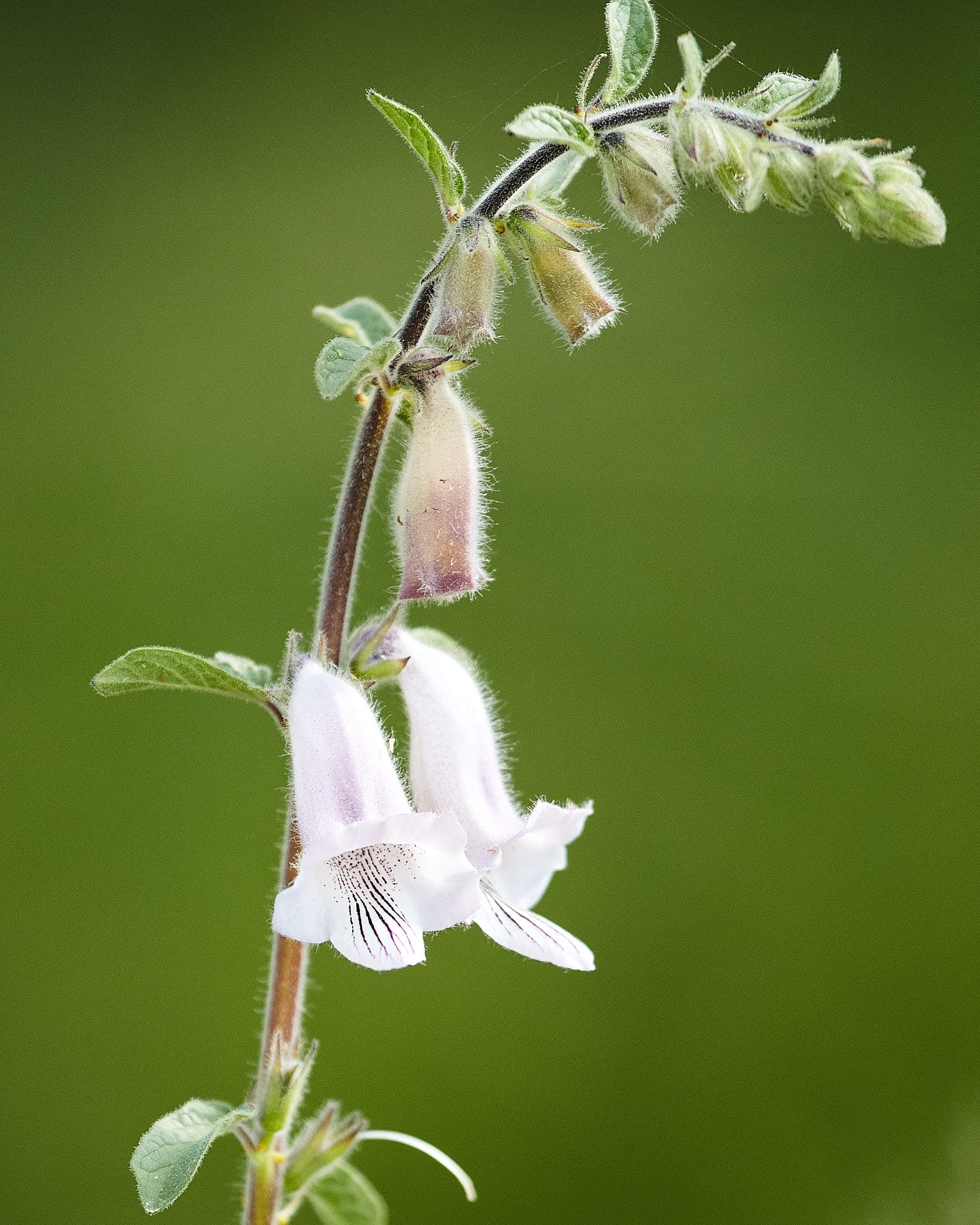
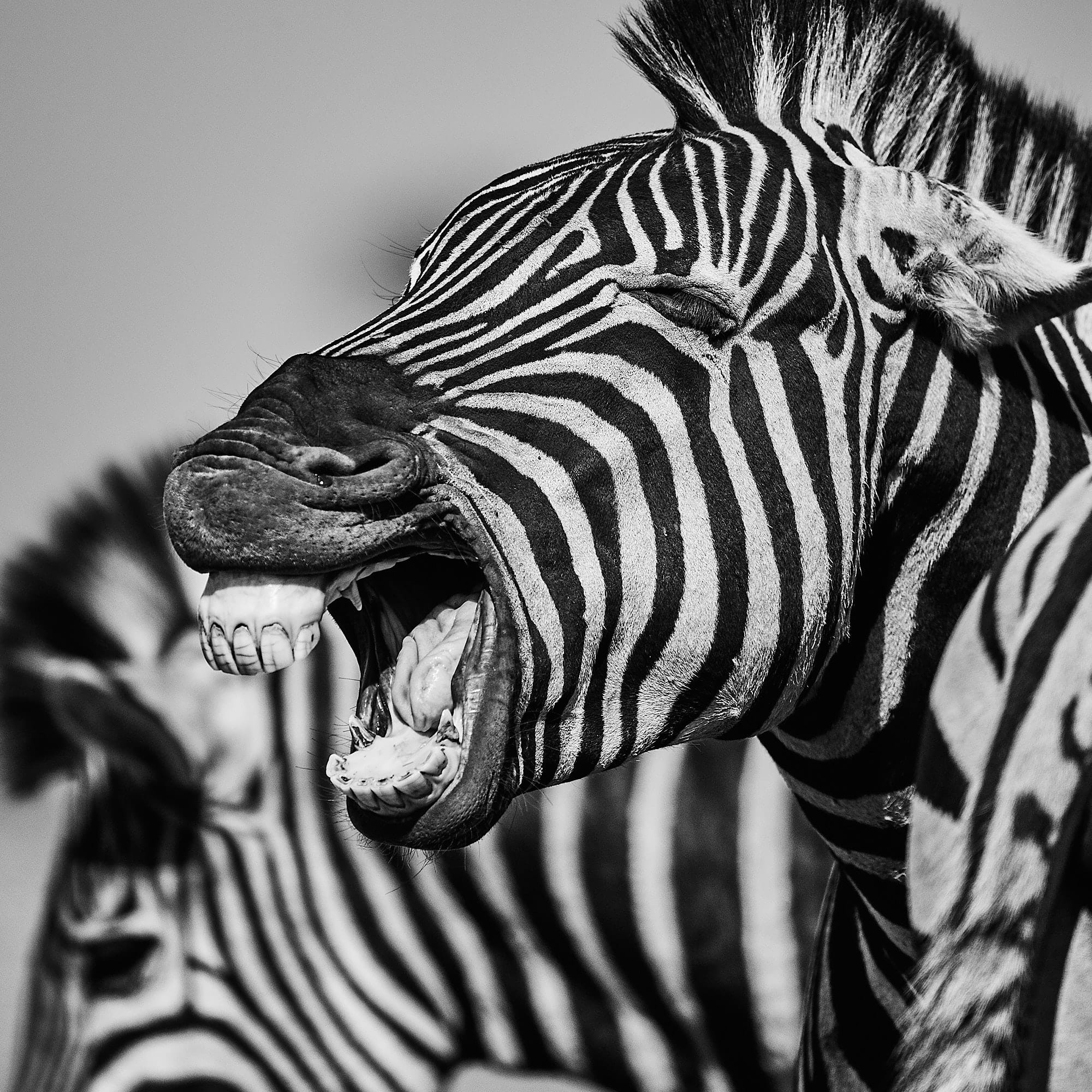
Not every drive will be spectacular. Some days the animals win the hide-and-seek game. You'll drive for hours and see little more than impala and zebra. These days are normal, and they're not wasted.
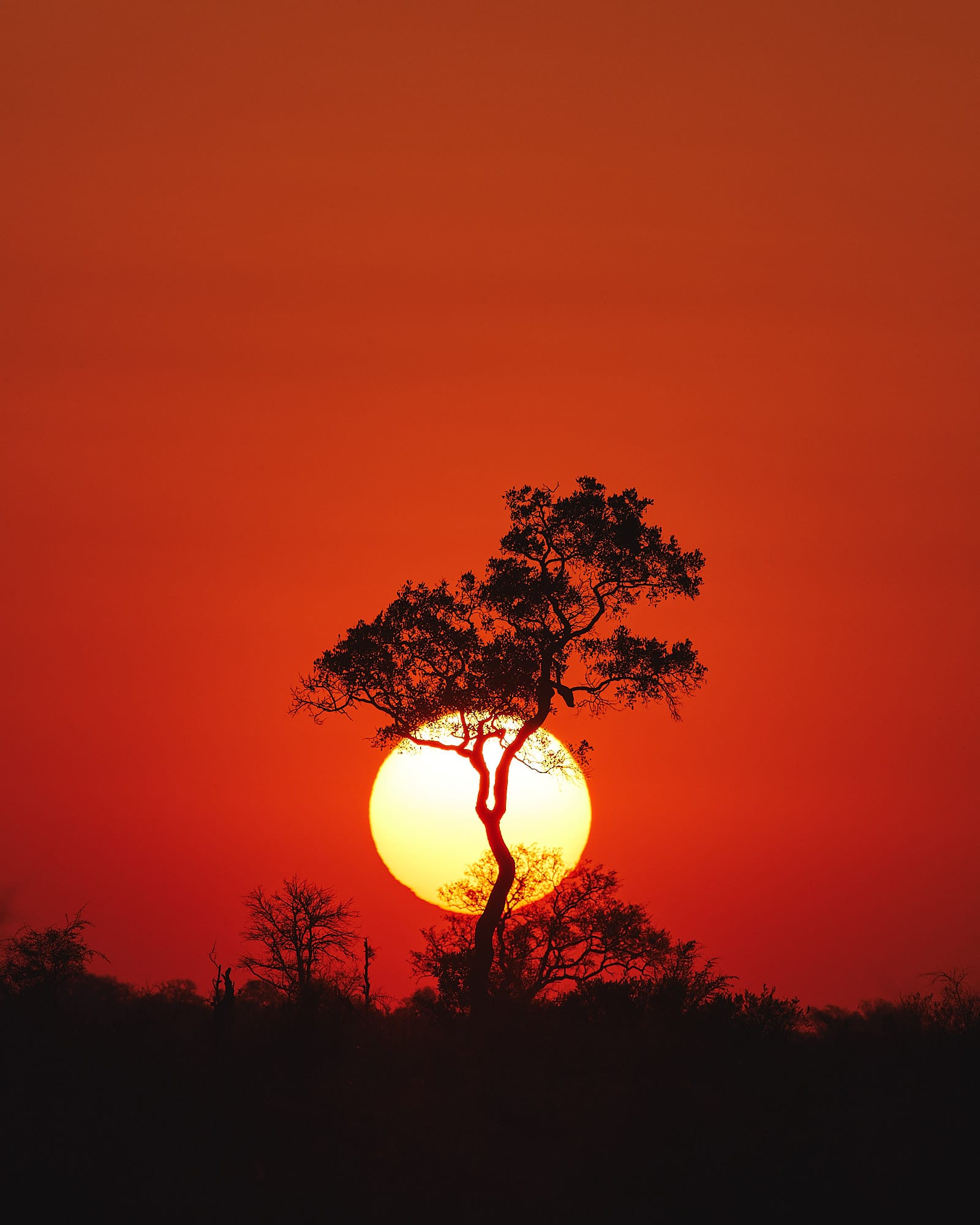
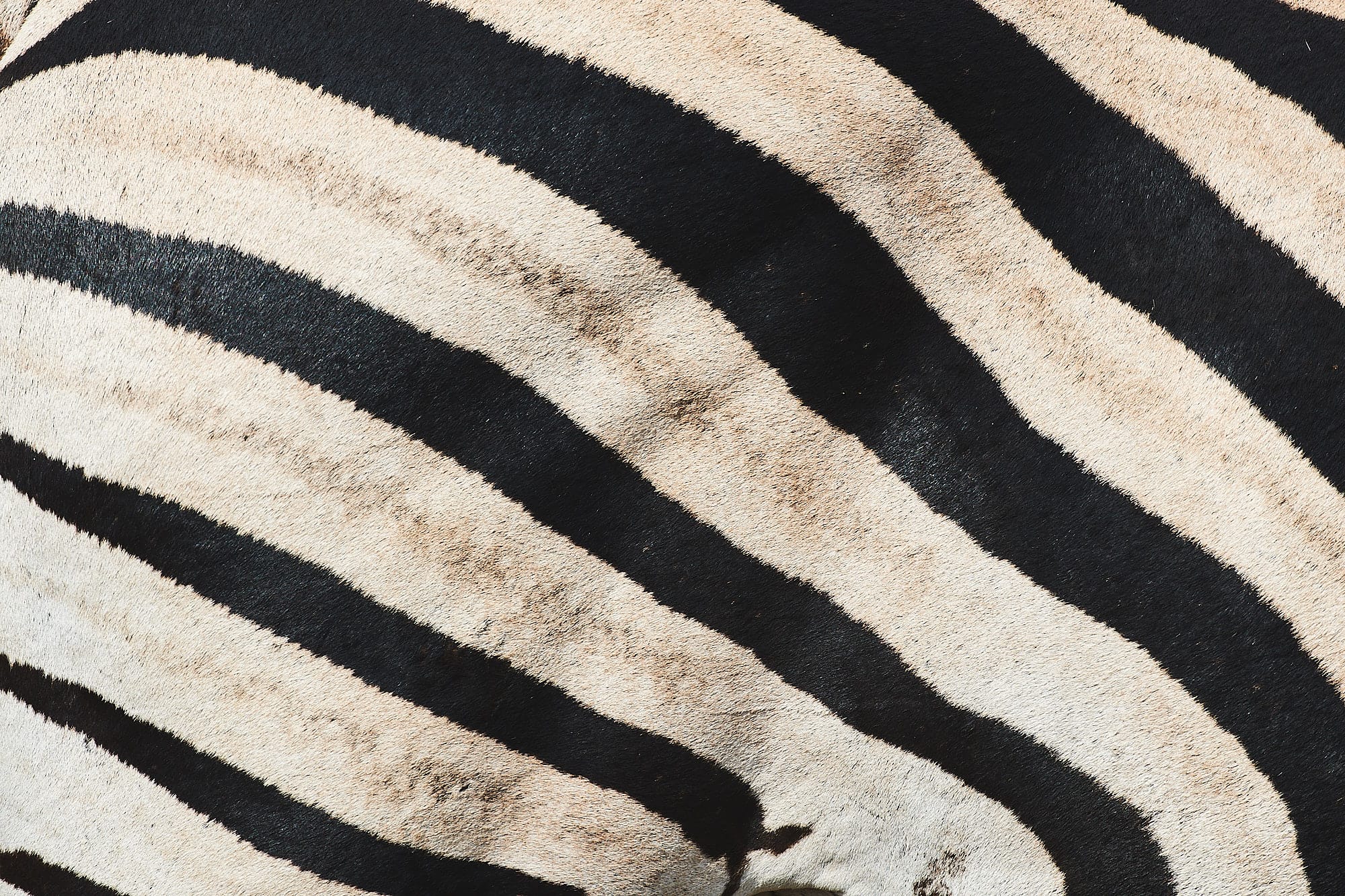
Quiet days build anticipation. They teach patience. They're the contrast that makes tomorrow's leopard sighting feel electric instead of routine. And if you're paying attention, quiet days are rarely truly quiet — there's a lot you can do with 'basic', quiet day subjects to help you improve your photography.
Photographers who struggle with Kruger are the ones who expect every drive to be a highlight reel. The ones who thrive here are the ones who understand that the quiet drives are just as much a part of the experience as the spectacular ones.
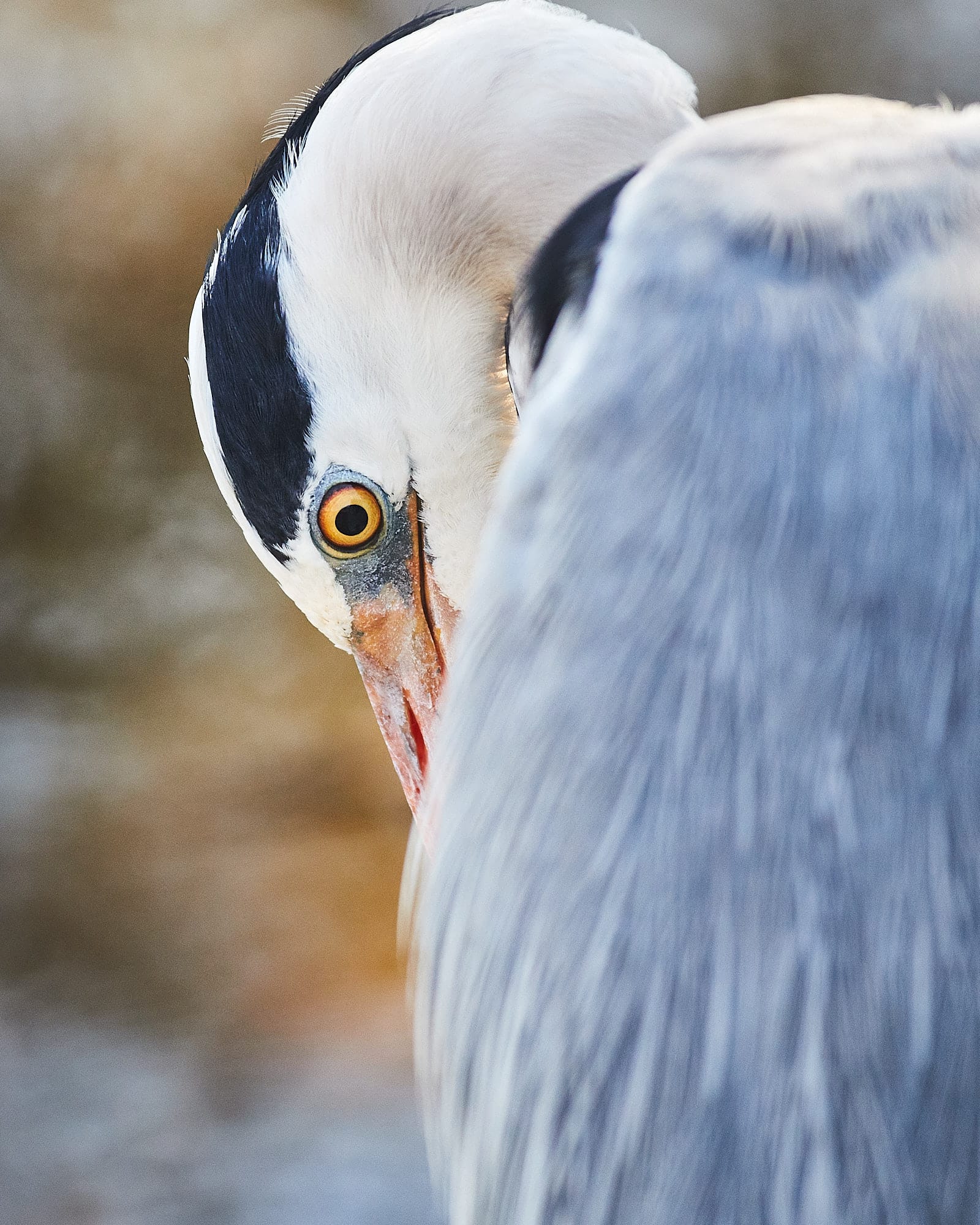
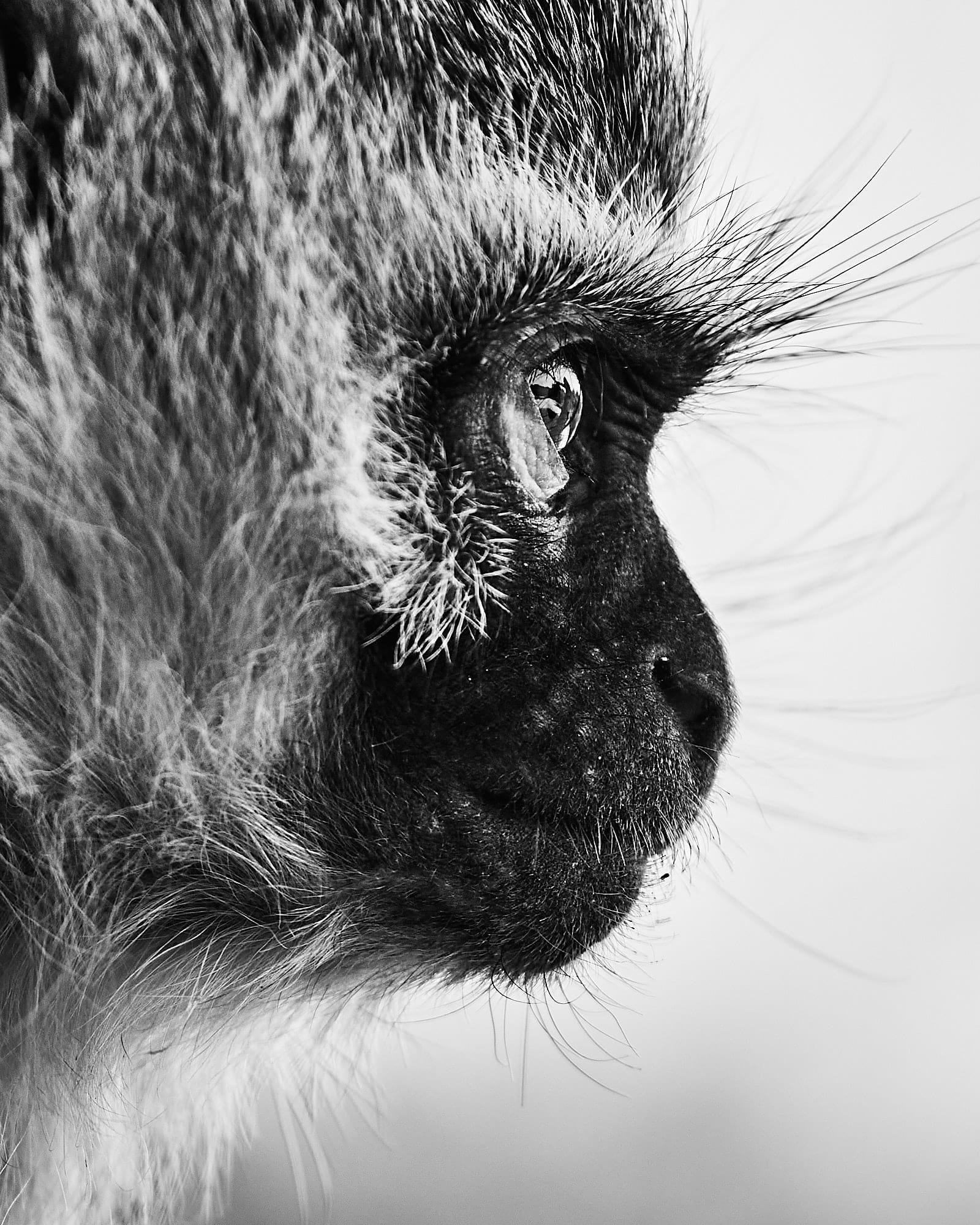
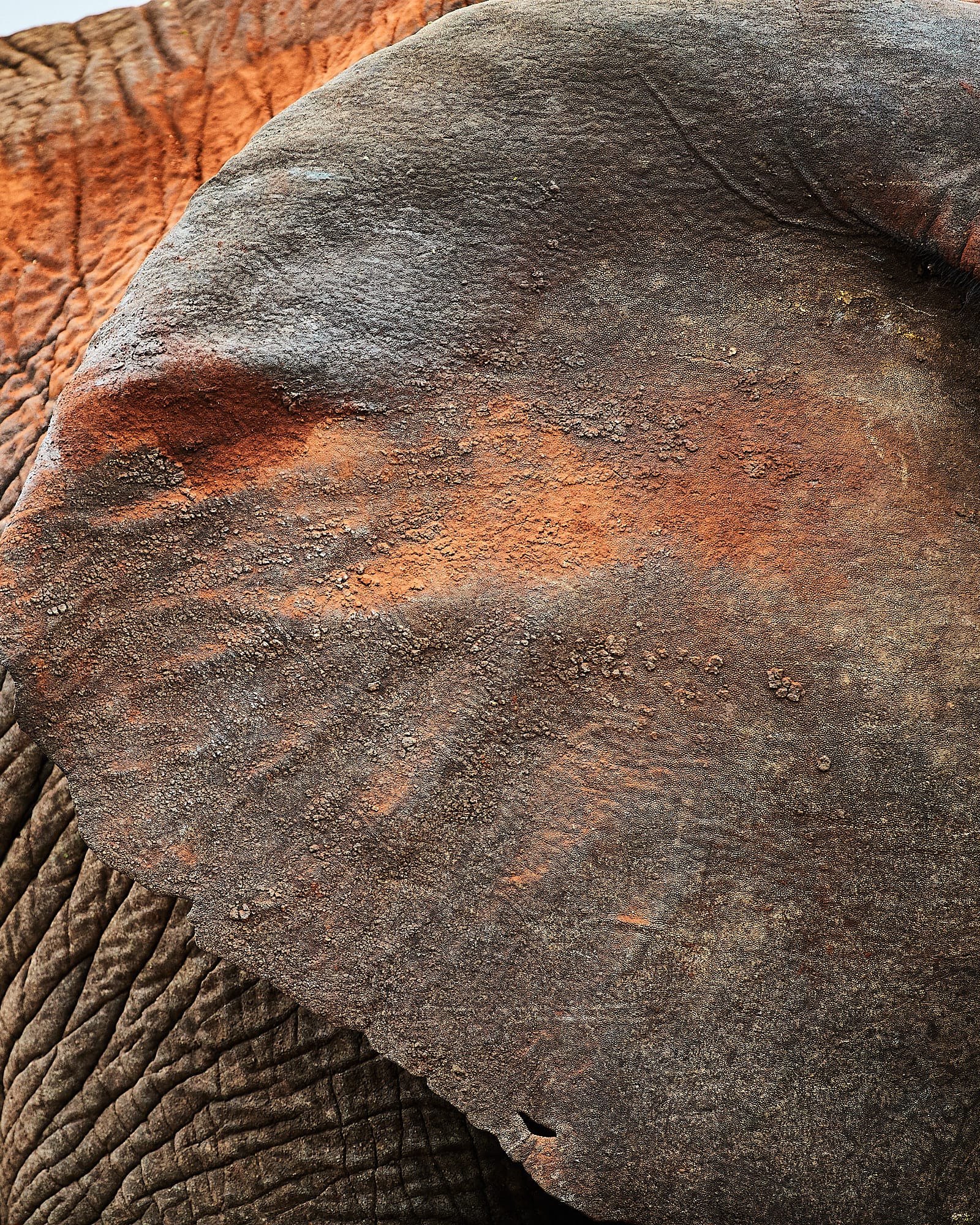
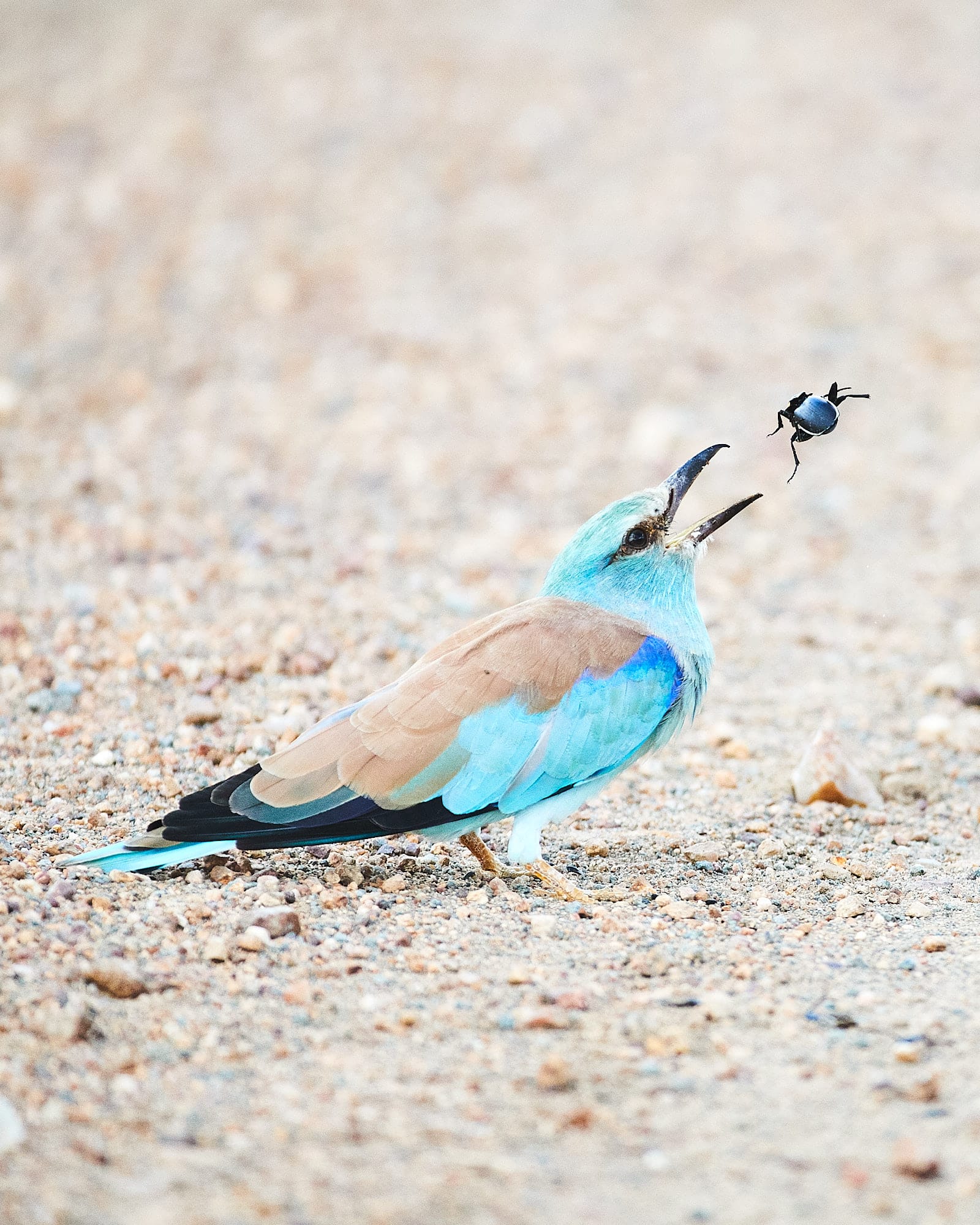
Just around the next corner
If there's one phrase that captures the philosophy of photographing in Kruger, it's this: you never know what could be around the next corner.
The dense vegetation means visibility is often limited. You can't see into the bush the way you can on the open plains of the Serengeti. This could be frustrating — or it could be the most exciting thing about the place. I choose excitement. Because when a leopard materialises from the roadside grass, or a pack of wild dogs rounds the bend ahead of you, the surprise is part of the magic.
Hopeful optimism is not just a mindset for Kruger. It's a survival strategy. It keeps you engaged on the quiet stretches. It keeps your camera ready. And every now and then, it delivers a moment so perfect that it justifies every quiet hour that preceded it.
That's Kruger. That's why I keep going back. And that's why I think every wildlife photographer owes it to themselves to give this park a real chance — not three days, not a single loop road, but a proper stay. Long enough to settle in. Long enough to start seeing what the park is actually offering.