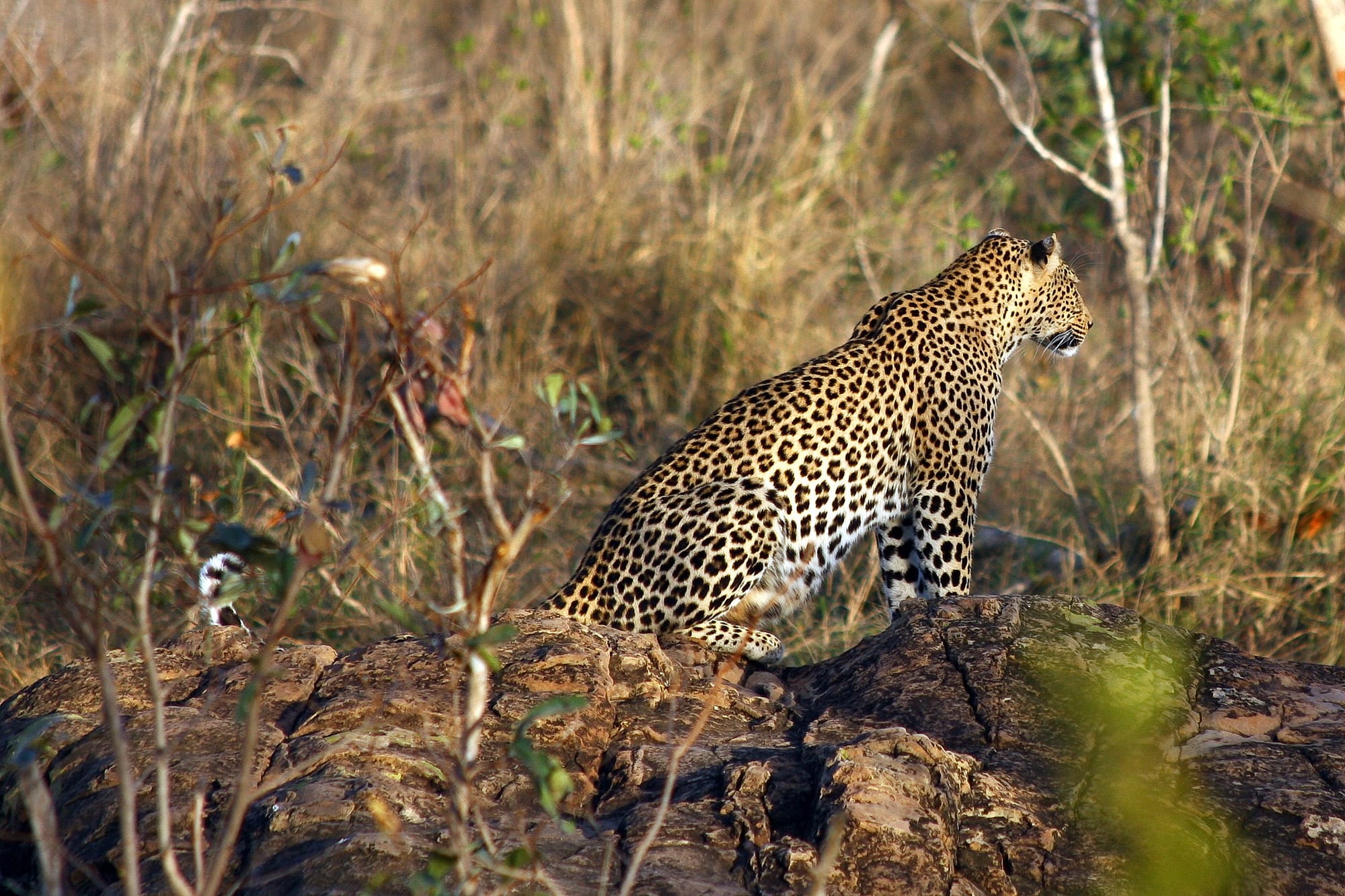
There's a moment that most wildlife photographers know well. You're sitting at home, scrolling through your photos from a recent trip. Some are good. A few might even be great. But there's a gap between what you captured and what you experienced — and your brain, ever helpful, has already found the solution.
A new lens. A faster body. That 600mm prime you've been eyeing for months.
I've been there. More than once. And I can tell you from the other side of those purchases: the gap doesn't close with new gear. It closes with time.
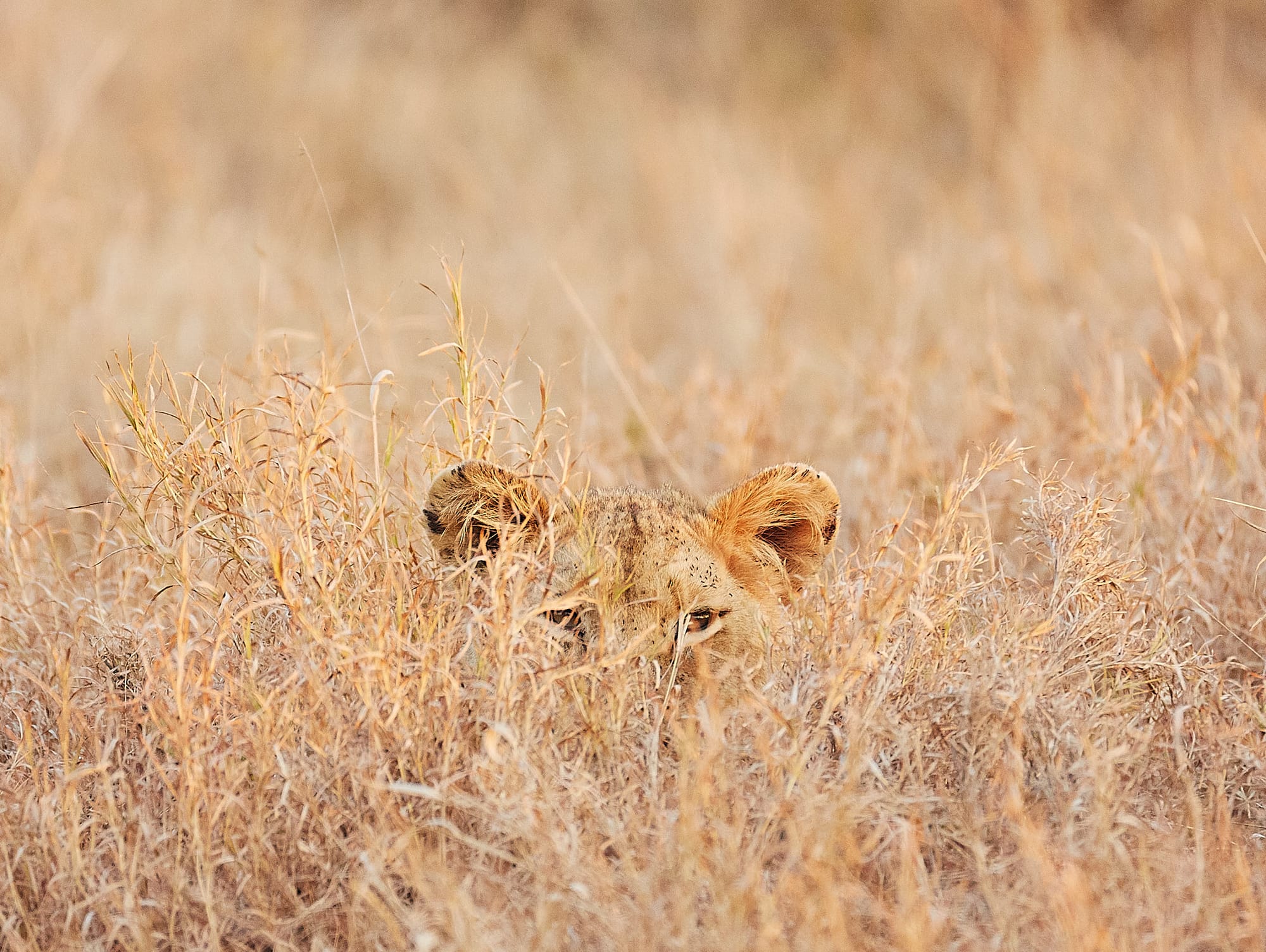
Time in nature vs timing nature
In one key way, wildlife photography is like investing in the stock market. You are infinitely more likely to grow your portfolio of great wildlife photos by spending lots of time in the bush rather than trying to time it just right.
Whenever possible, focus on being in nature for longer. This will not only help your photography but also your relaxation and state of mind. I guarantee you will be more relaxed, more removed from daily troubles and bring home better photos after two weeks in affordable accommodation than after three days somewhere prohibitively exclusive. Even if the luxury splash came with amazing sightings served up on a plate, it does not bring the same rush as finding your own and spending as long as you want with sightings of your choosing.
And here's the thing about Kruger specifically — it is probably the most affordable Big 5 safari destination on Earth. The road infrastructure is world class, the animal populations are staggering, and a two-week trip in a rest camp hut costs less than a single night at many private lodges. That maths alone should tell you where to invest your money.
The gear trap
I'm not anti-gear. I've upgraded my kit over the years and I'd be lying if I said it made zero difference. But the difference between a R15,000 lens and a R60,000 lens is nowhere near as dramatic as the difference between a photographer who spent three days in the bush and one who spent fourteen.
The returns on gear diminish fast. The returns on time in nature compound.
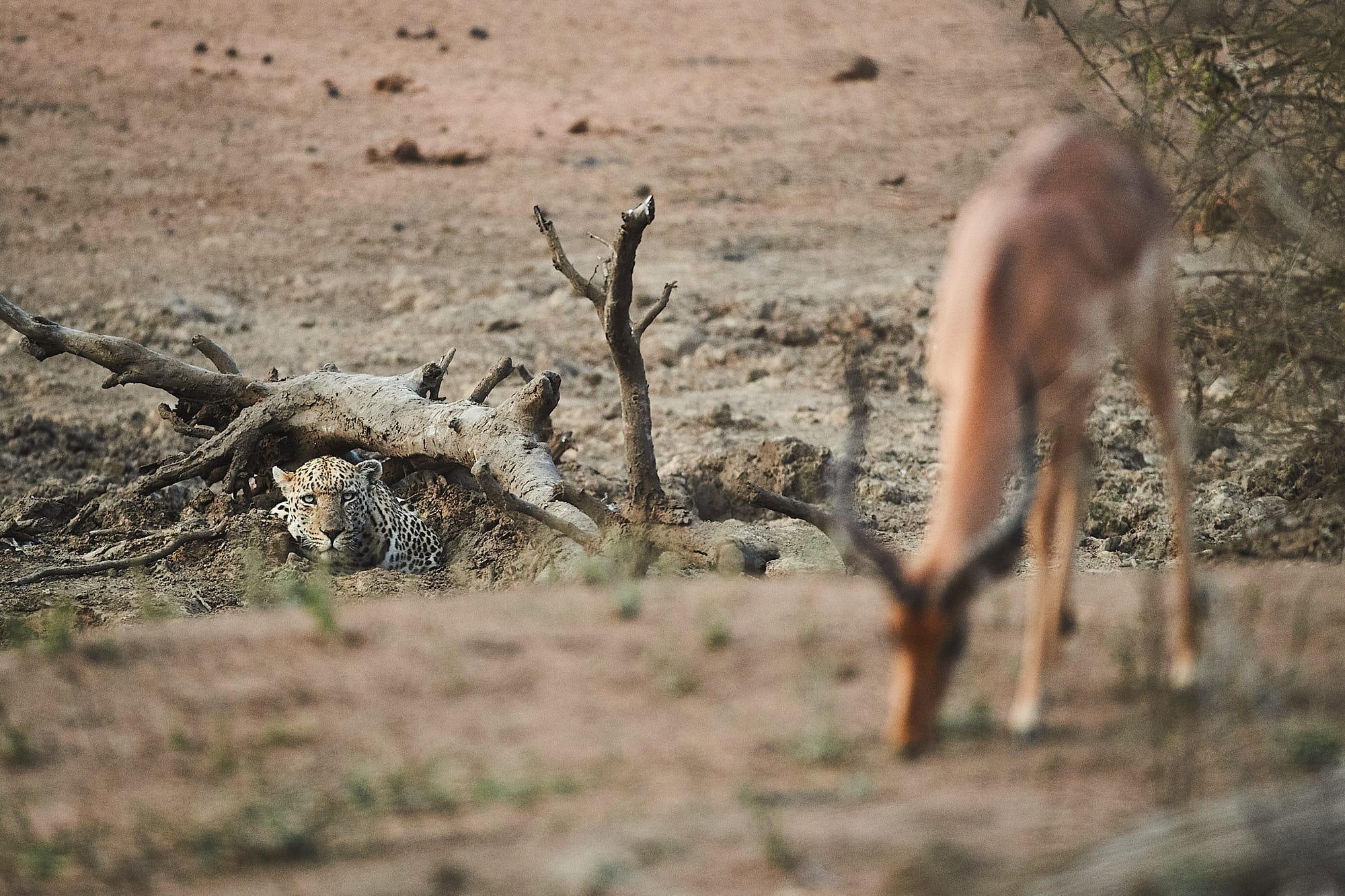
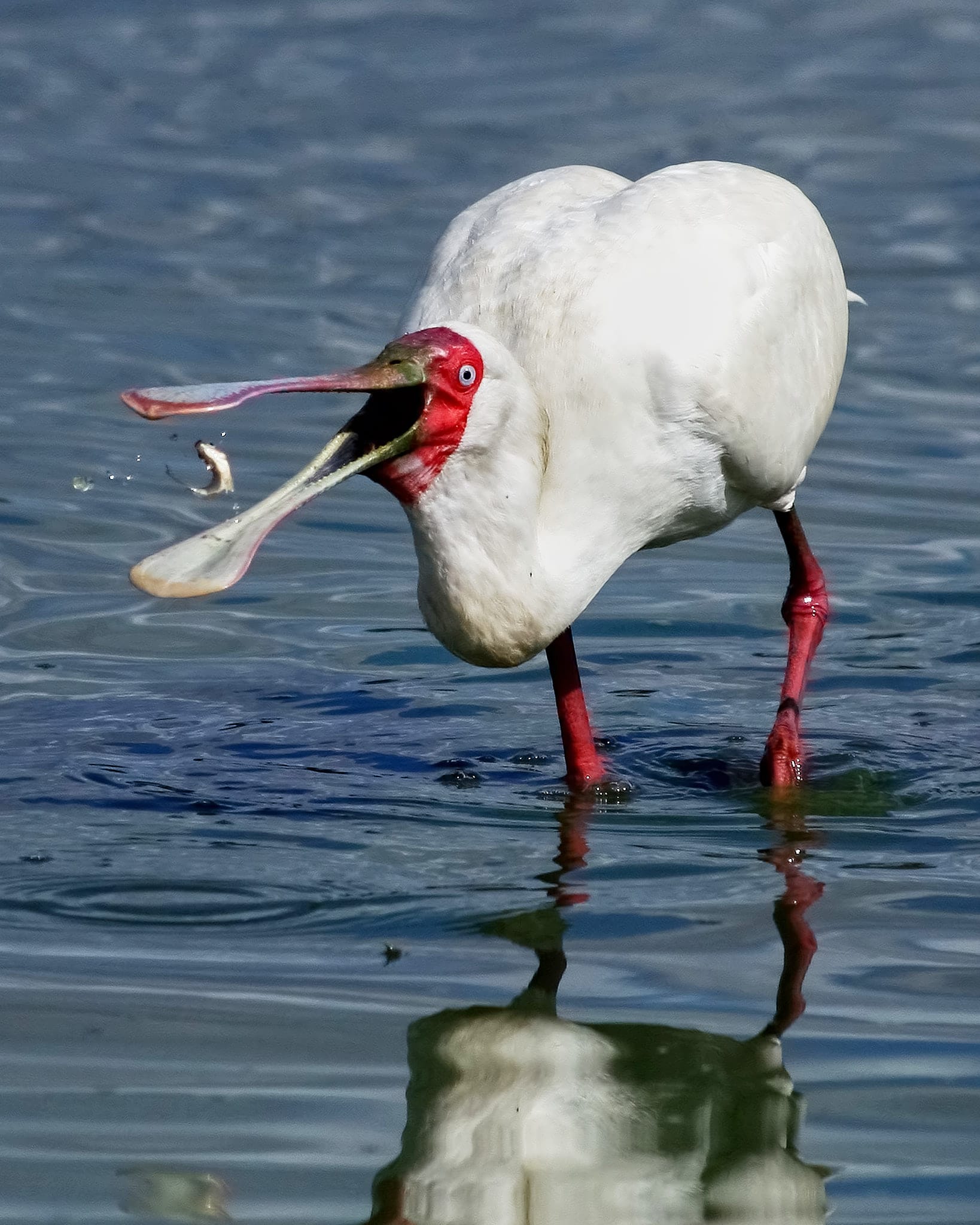
Think about it this way. A better lens gives you sharper images at longer distances. But sharpness means nothing if you weren't there when the leopard yawned, or if you were fiddling with settings when the fish eagle dove, or if you packed up and left the waterhole ten minutes before the elephants arrived.
Start with your why
Before you open another gear review tab, ask yourself a more useful question: why do you take photos?
To document and make beautiful mementos of your travels? To find a way to turn a hobby into something more? To be more present and squeeze more enjoyment from your time in the wild? There's no wrong answer, but knowing yours will change how you spend both your money and your time.
I take photos to help me slow down from a hasty, busy life and be fully present. It's a form of meditation for me, which is also why I shoot landscapes when I'm home in Cape Town. Once I understood this, I stopped chasing the sharpest possible image and started chasing the feeling of being completely absorbed in a scene. My photos improved — not because they got technically better, but because I started seeing differently.
Where to actually spend your money
If you're going to spend money on wildlife photography, spend it on the only two things that genuinely move the needle: time in the bush and a decent lens.
Not the best lens. A decent one. A versatile zoom that lets you adapt to whatever Kruger throws at you — because from the road, you can't reposition yourself, and flexibility beats raw reach almost every time.
Then take the money you saved by not buying the flagship body and book another week in the park. Stay in a budget hut or camp. Wake up early. Drive slowly. Listen. The photos will come as they always do for those who give the bush enough time.